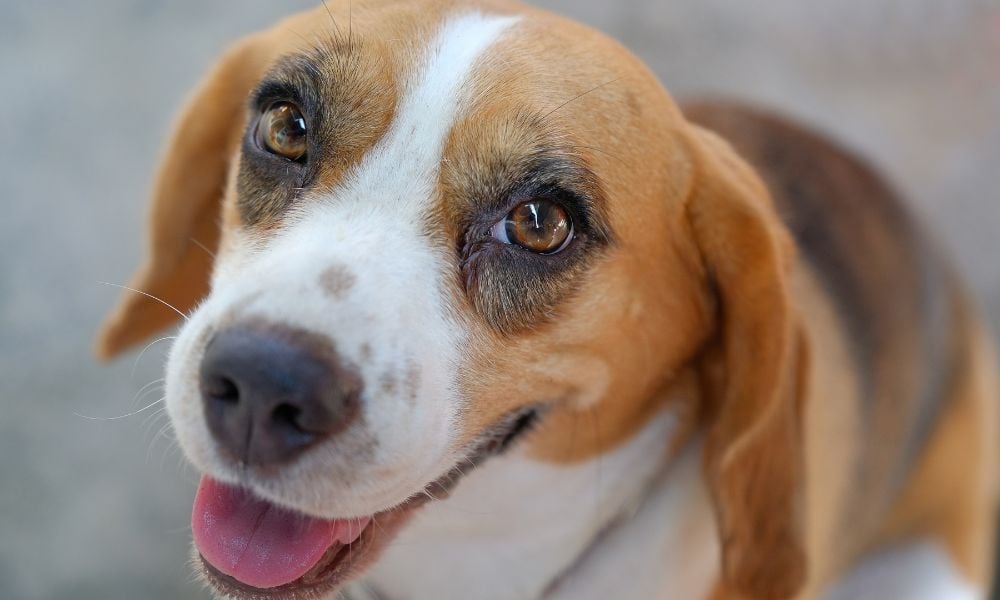
In a major victory for animals used in experiments, Ontario, Canada, has passed legislation that bans invasive medical testing on cats and dogs and prohibits breeding these animals for research, according to Canada’s National Observer.
This makes Ontario the first province in Canada to enact these protections for cats and dogs used in research.
Violating the measure can result in significant penalties, with individuals facing up to $260,000 in fines and two years in jail, and corporations facing fines of up to $1 million.
In addition, the provincial government now has the authority to expand the ban to more animal species in the future.
The new law allows limited exemptions for certain veterinary research, but only if the proposal undergoes review and receives approval from an animal care committee.
The ban follows whistleblower reports exposing an alleged cruel dog research program at St. Joseph’s Health Care’s Lawson Research Institute in London, Ontario, aimed at understanding human heart attack recovery.
This controversial program reportedly involved inducing heart attacks in dogs for periods of up to three hours, after which the animals were euthanized and their hearts collected for additional research.
Animals confined in laboratories often endure isolation, distress, and painful procedures before being killed when they are no longer deemed useful — and this ban represents a major step toward reducing that suffering.
Lady Freethinker is grateful to the whistleblowers, advocates, and lawmakers whose efforts helped secure these protections for cats and dogs, and hopes this landmark measure inspires similar reforms across Canada and beyond, as well as stronger safeguards for other animals used in research.