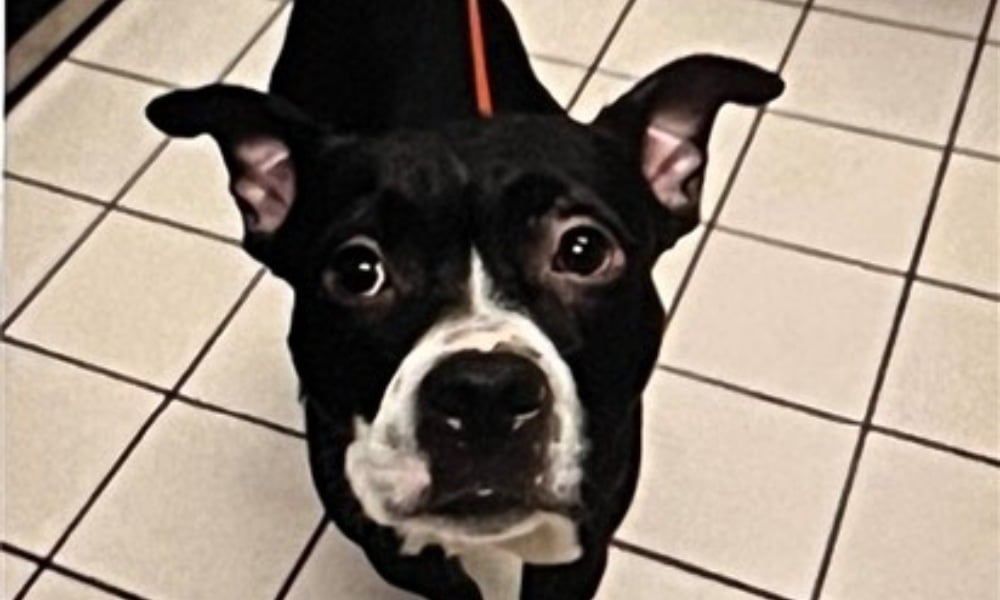
Florida is expanding Dexter’s Law, the public animal-abuse registry named for Dexter, a dog whose case helped push the state toward stronger animal-cruelty protections.
Dexter, a 4-year-old bulldog mix, was found decapitated and wrapped in plastic in Pinellas County just one day after he was adopted, according to earlier LFT reporting. More than 44,000 LFT supporters signed a petition demanding justice for Dexter, and Florida later passed Dexter’s Law to create a statewide animal-abuser database and increase penalties for aggravated animal cruelty.
SB 1004, which took effect July 1, strengthens that registry and adds consumer protections for animals sold by “pet dealers,” according to Bay News 9 and Florida Senate records.
The new law requires that, by Jan. 1, 2027, Florida’s Department of Law Enforcement must post searchable identifying information for people convicted of, or pleading guilty or no contest to, violations of the state’s animal cruelty statute. The database must include information such as names or aliases, counties of conviction, case numbers, case outcomes, identifying marks or tattoos, and booking photographs.
Public information cannot undo what happened to Dexter. Stronger records, however, can help communities see when someone has already been convicted of animal cruelty before another animal is placed at risk.
The law also reaches animals sold through “pet dealers.” Under the bill, a “pet dealer” generally means a person or business that sells more than three litters, or 30 dogs or cats, per year to the public, whichever is greater. Nonprofit entities that do not purchase dogs or cats from a breeder or broker are excluded.
Before a sale, “pet dealers” must provide records of medical exams, tests, medications, diagnoses, and treatments. They must also disclose financing terms and give consumers written notice of their rights if a dog, cat, or other animal they bring home is later found to be sick or in poor health.
The bill gives consumers a path forward in those cases. Depending on the circumstances, they may be able to end a financing agreement without penalty, seek reimbursement for veterinary expenses, or return or exchange the animal. Under the law, violations can also be treated as unfair or deceptive practices in Florida.
Animals sold through “pet dealers” are not products. They are living beings whose health, safety, and suffering should never be hidden behind paperwork, financing terms, or a sale window. Stronger public records, clearer consumer protections, and more accountability can help protect animals before families are left trying to understand why the dog, cat, or other animal they brought home was already sick.
For another action to strengthen public accountability for animal abuse, sign Lady Freethinker’s petition urging Congress to pass the LEASH Act and create a national animal abuser database.
SIGN: Help Pass the LEASH Act to Create a National Animal Abuser Database