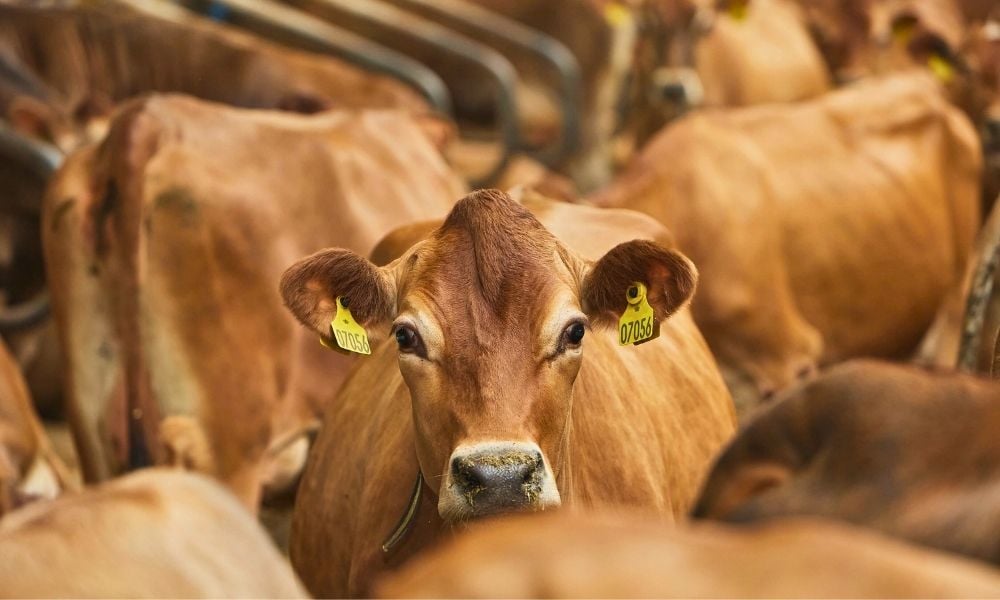
Every day, we all make countless conscious and subconscious decisions about how we interact with animals. From what we eat and drink, to how we work and play, we are constantly drawing moral lines. Much of that judgment takes place in the very words we use.
Language describes our reality, but also informs and creates it. When we talk about animals, the words we choose to use influence how we feel about them; whether or not we choose to empathize with them, and ultimately, how our society treats them. In other words, language shapes our moral imagination, and our capacity to recognize animals as individual beings worthy of care. Understanding this connection represents a powerful step toward a more compassionate world.
How Words Can Diminish Individuality
Think, for instance, about the words “livestock,” “pest,” or “specimen.” These aren’t neutral descriptions; rather, they have the effect of reducing living beings to roles or objects, stripping away their individuality. Referring to animals as “products” or “units” creates distance, making it easier for us to treat them as resources rather than sentient individuals with their own lives. Terms like “livestock” implicitly reassure people that the animals are meant for food or material production, rather than relationships or respect.
Similarly, labels like “vermin” or “pest” paint certain animals fundamentally as nuisances meant to be eradicated, justifying cruelty as an act of necessity rather than one of choice. This kind of bias in everyday language represents a subtle but powerful form of discrimination.
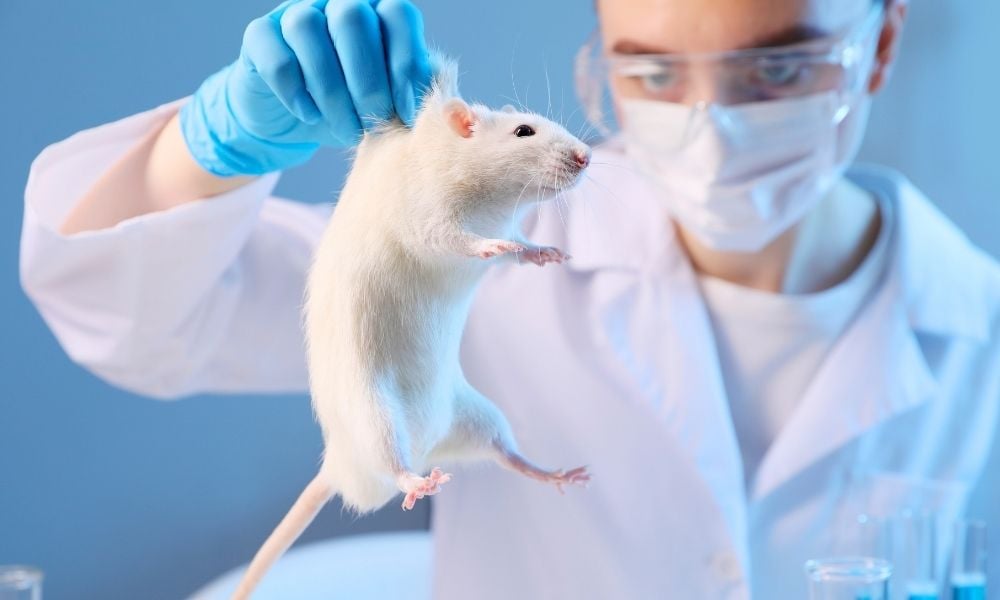
Representative Image (New Africa/Shutterstock)
Researchers refer to this as linguistic speciesism: the way language expresses prejudice based on membership in a certain group of organisms, inevitably privileging humans over other animals. When we use language that projects humans as superior, it embeds that assumption in our collective worldview, influencing how we treat nonhuman animals across contexts — from food production to wildlife management to the animals with whom we share our lives.
What Studies Reveal About Everyday Language
Scientific research analyzing billions of words — from books, to conversations, films, and other media — has found that language itself often reflects speciesist bias. In one large study, for instance, words that denoted care, empathy, and value were much more frequently associated with humans than with most animals, revealing how deeply ingrained linguistic hierarchies are in our culture.
That doesn’t mean people don’t care about animals, but it does mean that our everyday language often limits how we imagine caring for them. When “cow” becomes “beef,” or “pig” becomes “pork,” we create emotional distance between ourselves and the living animal that once existed. This makes it easier for many consumers to go about their lives without having to confront the realities of animal cruelty.
Language and Normalizing Violence
Certain idioms and phrases — from “beating a dead horse” to “killing two birds with one stone” — are common in everyday speech. At first glance, such terms might seem harmless, but they subtly reinforce the idea that animal harm is normal, even funny. These expressions have the effect of trivializing suffering, quietly making violence against animals feel less real or serious. Used countless times over decades and even centuries, they perpetuate an ongoing power dynamic that privileges humans above all other animals.
Language can also shape how we think about the roles of animals. Calling an animal “it” rather than “he,” “she,” or “they” removes their individuality and implies that they lack personality or interior experience. This mirrors how many exploitative human systems treat animals as products or commodities.
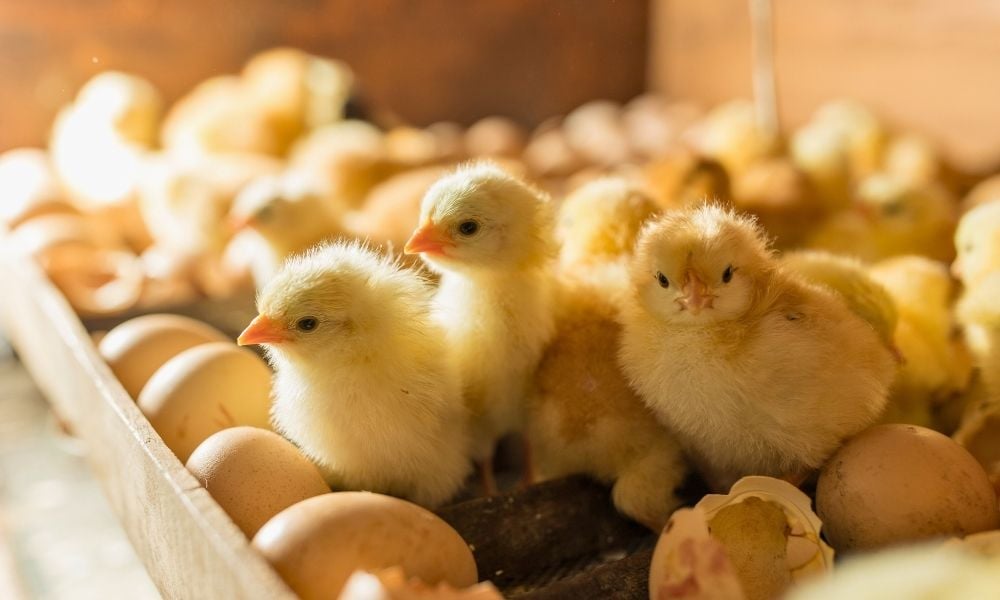
Representative Image (Budimir Jevtic/Shutterstock)
To counter this, we can implement small but meaningful changes. Saying “companion animal” rather than “pet” is one such simple switch. Whereas “pet” can subtly reduce animals to disposable, controllable possessions, “companion” emphasizes mutual belonging and relationship. Using terms like “guardian” or “caregiver” instead of “owner” can also underscore the responsibility we have toward animals, rather than reinforcing ideas of ownership or control. These shifts help remind us that animals aren’t property, but beings with their own lives and dignity.
Language choices can also challenge the kinds of assumptions that are baked into industry terms. Referring directly to “the body of a cow” instead of “beef,” or to “egg production” instead of “eggs,” can reconnect a product with the actual animal it came from, thereby helping reduce emotional distance. These choices may seem subtle, but they influence how we conceive of our relationships with other beings.
Why This Matters
When we talk about animals as objects, it becomes easier to justify systems that harm them, such as factory farming, animal testing, hunting, and entertainment that cages and exploits them. By contrast, when language begins to actually acknowledge animals as individuals, with their own inherent value, our moral imagination expands. This can ultimately lead us to question and eventually change those underlying systems.
Shifting our language can create more space for empathy and new ways of perceiving the world around us. It can help break down the barriers that normalize cruelty, or even make it seem somehow “necessary.” As philosophers of animal ethics have noted, the idea of “speciesism” — discrimination on the basis of species membership — is directly and deeply tied to how we think and talk about animals. Changing our words can change the very culture that uses them.