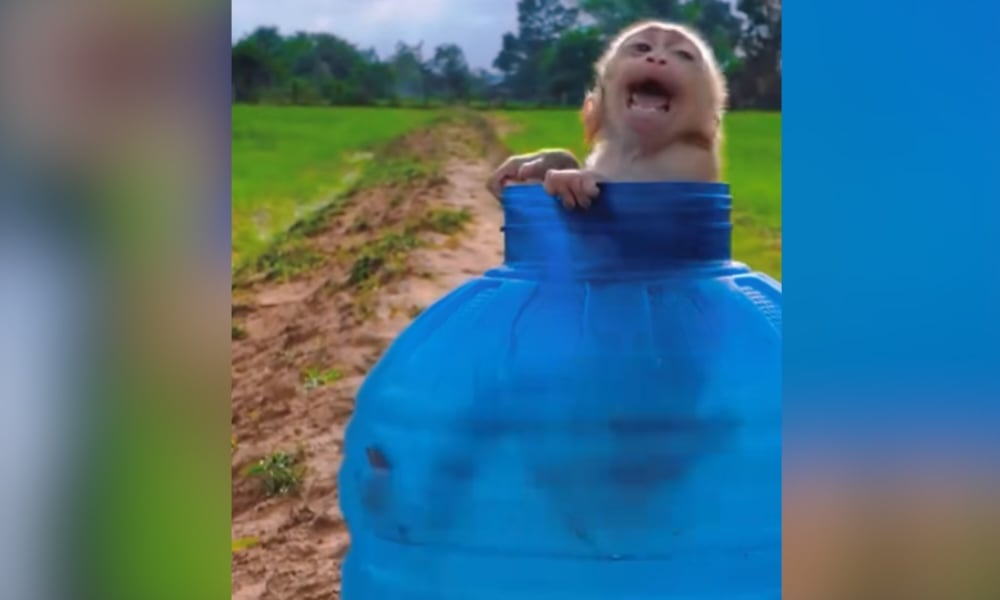
Monkeys buried in mud or attacked by snakes, and dogs forced to fight, appeared in cruelty videos exposed by Lady Freethinker’s new investigation.
Across Facebook, Instagram, TikTok, X, and YouTube, the content amassed more than 1 billion views.
Lady Freethinker’s latest report, Animal Cruelty Goes Viral, documented 1,657 links to animal cruelty content on Facebook, Instagram, TikTok, X, and YouTube. During the probe, four researchers collected data from May 1 through June 30, 2026, continually finding more content than they had time to record.
Cruelty Across Major Platforms
Facebook accounted for nearly two-thirds of the links — 1,042 — followed by YouTube with 204, TikTok with 203, Instagram with 115, and X with 93. Because view counts were unavailable for some posts, the recorded total of more than 1 billion views does not even capture the content’s full reach.
Disturbingly, nearly half of the links showed monkey abuse, with 79% of those found on Facebook. Animal fighting accounted for another 28% of the links, followed by other harmful content at 13% and fake rescues at 11%.
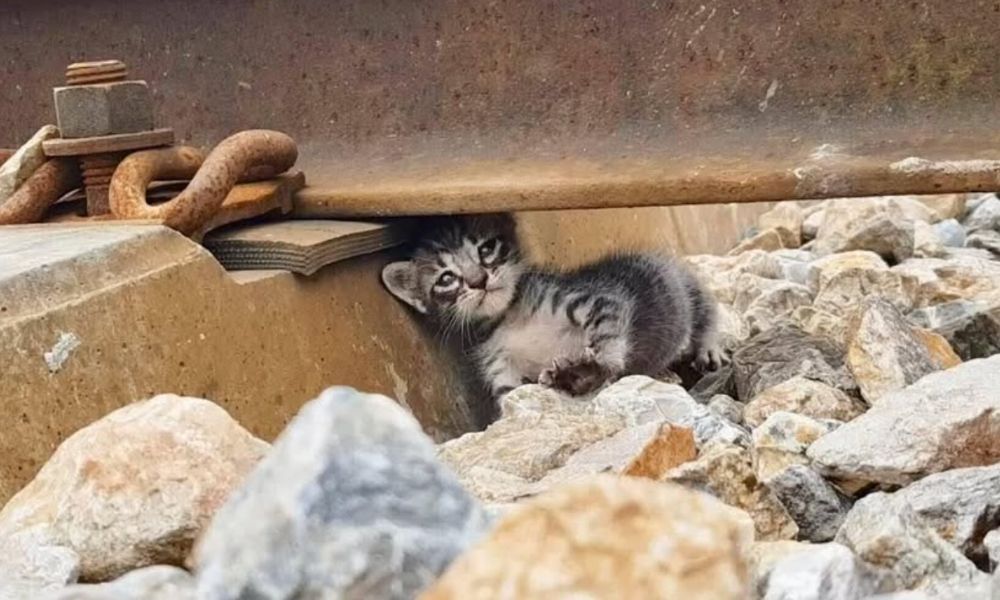
In fake rescue videos, animals are deliberately placed in danger so a creator can stage and film their “rescue.” Researchers found dogs and cats left beside roads or railroad tracks, animals bound or trapped, and animals forced into encounters with predators.
Additionally, our team found 137 links — 8% of the report’s total — containing Telegram advertisements for more extreme content, including custom, made-to-order cruelty. Several accounts also listed WhatsApp numbers. Another trend, called “LabGerm” or Pleco cruelty, presents the torture of fish, snails, and insects as science experiments. Researchers documented 12 LabGerm videos on Instagram.
Hundreds of Links Remain Active, But Progress is Happening
Our report found that 534 of the 1,657 links remained active and accessible, underscoring why LFT continues pressing social media companies to address animal cruelty on their platforms.
In early 2026, LFT reached a milestone agreement with Meta after submitting a shareholder proposal on the issue. LFT also sent the company nearly a thousand links for review in March, July, and August. While it’s unclear how many links would have remained online without those submissions, reporting animal cruelty is an essential step toward getting it removed.
How to Help Stop the Spread
It’s important not to comment on or share animal cruelty content because engagement teaches the platform’s algorithm that the content is attracting attention, which can spread it to more screens.
Instead, you can help by taking these steps:
- Report the content through the platform’s reporting function.
- Report it to authorities when you can identify useful details, including where the abuse occurred or who may be responsible.
- Send the link to us through our social media cruelty reporting form.
If you have a moment, please also sign LFT’s petition urging social media platforms to identify and remove content that promotes or glorifies animal suffering, shut down the groups and pages posting it, and prevent more such content from being uploaded.
SIGN: Demand Social Media Platforms Remove Animal Cruelty Content and Keep It Off for Good