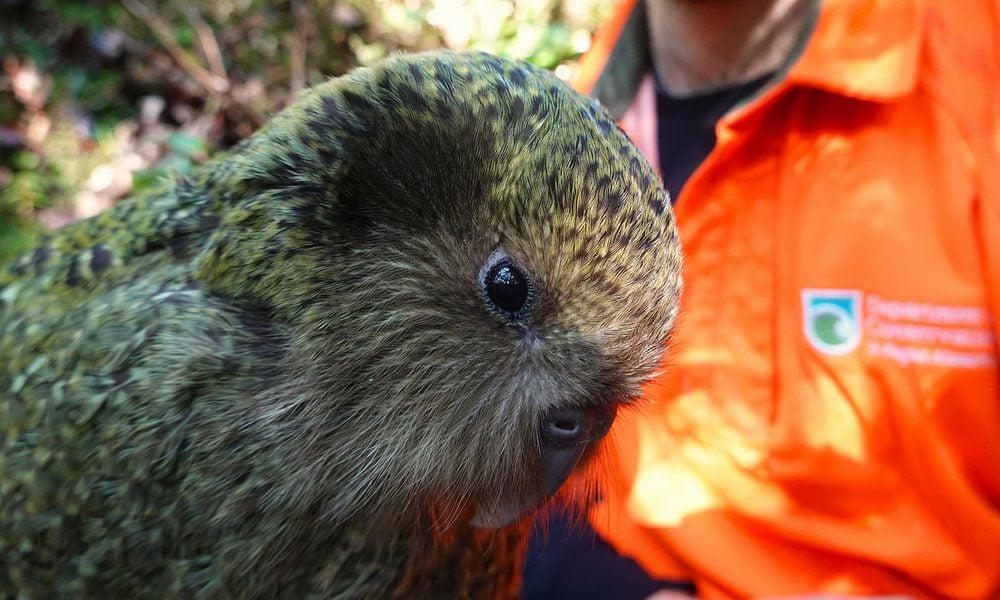
In a hopeful milestone for the critically endangered kākāpō, 90 chicks were added to New Zealand’s official population count on Sept. 1, bringing the total to 325. That is the highest number since modern recovery work began and may be the first time the population has topped 300 in about 75 years.
The chicks joined the tally after they had all reached 150 days old, the age when they are considered independent.
Kākāpō are the world’s heaviest parrot and the only parrot that is both flightless and nocturnal. They once lived across New Zealand, but introduced predators pushed them to the brink of extinction.
Their recovery is slow in part because kākāpō breed only when rimu trees produce a large crop of fruit, which usually happens every two to four years. Following a four-year wait, the 2026 season produced more chicks than any other in the modern recovery effort.
New Zealand’s Department of Conservation and Ngāi Tahu began the Kākāpō Recovery Programme in 1995 with just 51 birds, including 20 females. In the program’s early years, it took 16 years to produce as many chicks as in this single breeding season.
As the population grows, kākāpō will need more safe places to live. The three breeding populations now live on predator-free islands in southern New Zealand. Conservation leaders hope the island of Rakiura can eventually become another safe home for the birds.
Many of this year’s chicks will receive names around their first hatch anniversaries next February and March. A few will remain unnamed, a choice the recovery team says reflects a gradual move toward less hands-on management.
Lady Freethinker is grateful to everyone working to protect these extraordinary birds, and we hope their population continues to grow and thrive in the years ahead.