The first boom does not sound like a party to a dog trembling under the kitchen table. It does not look like a celebration to a horse startled at a fence line, a rabbit frozen in a hutch, or a bird jolted from a tree after dark. Fireworks may be brief for people. For animals, they arrive as light, blast, vibration, and fear, with no way to understand that the threat will soon pass.
Fourth of July planning should include more than food, guests, and a festive spot from which to watch the sky. It should include the animals who are far more sensitive to loud sounds than we are. What sounds festive to people can feel overwhelming to animals, and a few minutes of celebration can leave them frightened, disoriented, or in danger.
The danger can stretch well beyond a single evening. Fireworks can send pets running through open doors, horses bolting into fences, small animals cowering in hutches, and wild animals fleeing into roads, windows, or unfamiliar territory. What begins as entertainment can become hours of confusion and distress for animals caught in the middle.
For some animals, fireworks are not only scary. They can be deadly. Lady Freethinker previously reported on Solo, a horse in Wales who died after an unannounced fireworks display sent him into a panic. His guardian had prepared him for Bonfire Night because she knew fireworks were coming. But when a later display erupted without warning, Solo was alone. He suffered for hours before a veterinarian determined he could not be saved.
Celebration does not have to come at animals’ expense. A little planning before the first boom can mean the difference between a frightening night and a safer one.
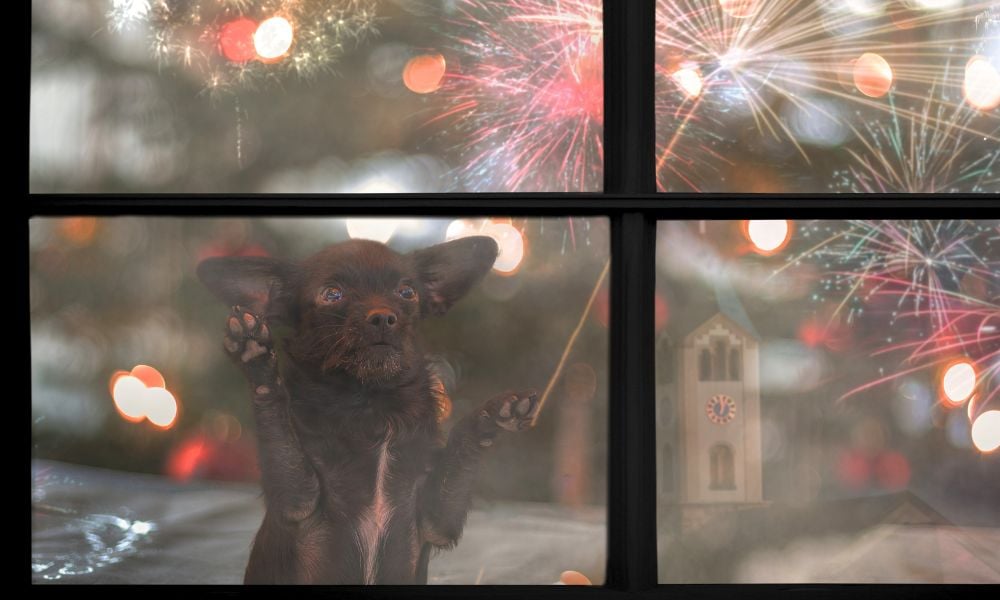
Representative Image (Vince Scherer/Adobe Stock)
Help Companion Animals Before the First Firework
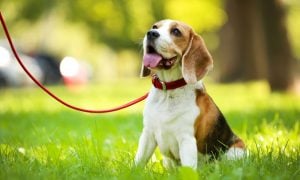
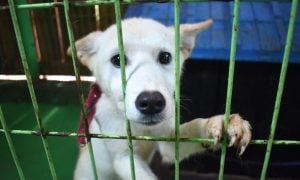
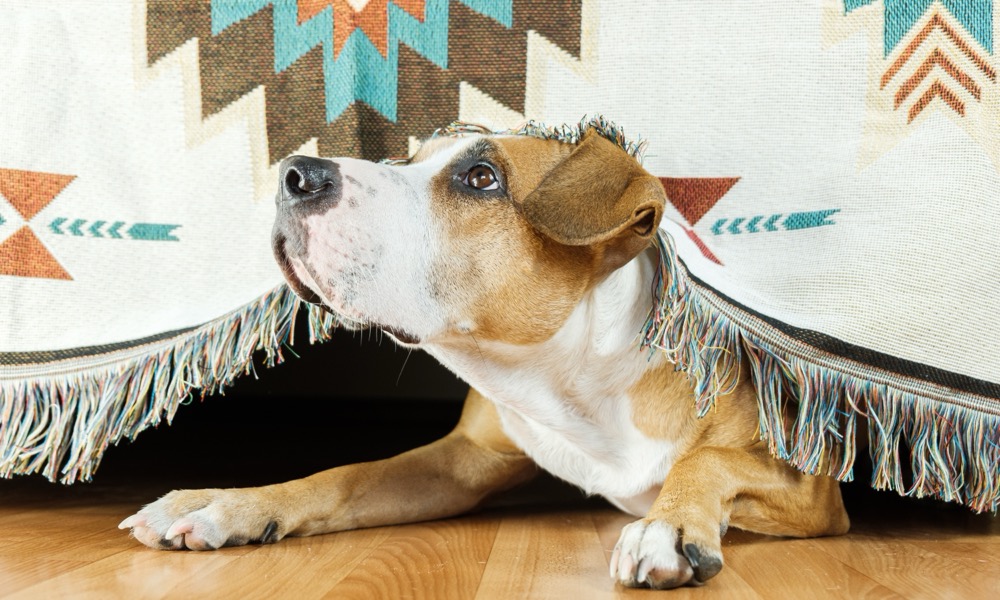
For dogs and cats, the safest place during fireworks is usually indoors, away from displays, crowds, and open doors. A quiet room, a covered resting spot for an animal who already finds that comforting, familiar bedding, soft music, or a television at normal volume can help dull the sound. Secure doors, windows, gates, screens, and cat flaps before fear sends an animal searching for a way out.
Walk dogs earlier in the day, before neighborhood fireworks begin, and avoid taking companion animals to displays or outdoor gatherings where sudden noise, strangers, and open exits can create unnecessary risk. A frightened animal does not need a perfect escape route. A cracked gate, loose screen, or guest who leaves a door open can be enough.
If an animal hides, paces, whines, pants, trembles, or refuses to come out, their human guardians should not punish them or force them into the open. Animals who are afraid are not misbehaving. They are trying to find safety.
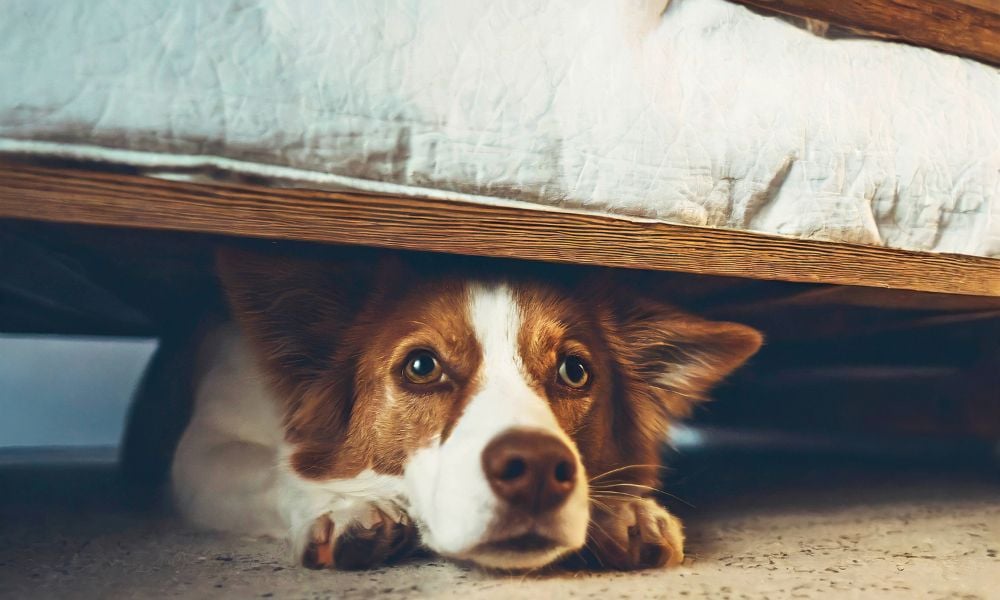
Representative Image (izzzy71/Adobe Stock)
For animals with severe noise anxiety, preparation may need to begin well before a holiday. The Cornell Richard P. Riney Canine Health Center recommends speaking with a veterinarian, or considering a veterinary behaviorist, when a dog’s fear, anxiety, and stress feel unmanageable during fireworks, thunderstorms, or other loud noises. A veterinarian may prescribe medication for animals who become easily startled by fireworks. Medication should never be improvised at the last minute. Planning early can help animals feel secure before panic takes over.
Small Animals Need Protection, Too
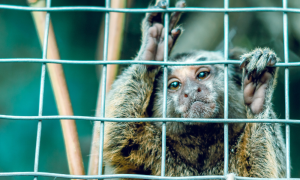
Rabbits, guinea pigs, rats, hamsters, birds, and other small companions can be easy to overlook in fireworks planning. Yet they experience the same frightening blasts and flashes as larger animals, often with even fewer places to retreat. The RSPCA’s fireworks guidance for small animals notes that loud, unexpected noises can cause stress, injury, and death.
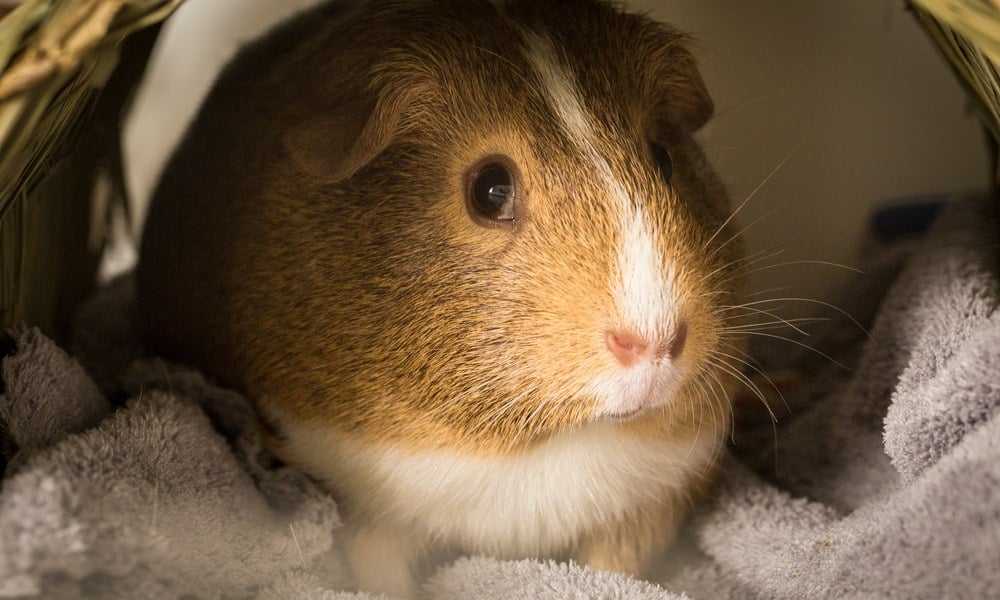
Representative Image (Jayson/Adobe Stock)
Guardians can bring outdoor hutches or enclosures inside where possible, provide extra bedding for burrowing, cover outside cages or pens in a way that muffles sound while still allowing ventilation, and keep bonded small animals together rather than separating them during a stressful night. Familiar surroundings and companionship can help reduce fear when the noise outside becomes overwhelming.
Horses and Farmed Animals Need Warning, Not Surprises
Horses are powerful animals, but fear can move faster than strength. A sudden explosion can send a horse bolting toward fencing, stall walls, gates, roads, or equipment before anyone has time to react.
Some U.S. communities already recognize how dangerous fireworks can be around animals. For example, Pennsylvania law bars consumer fireworks within 150 feet of an animal housing facility or fenced area for farmed animals owned or managed by someone else, and requires written notice 72 hours in advance when fireworks will be used 150 to 300 feet from those areas. Local rules vary; animals nearby still need warning and time to prepare.
The British Horse Society has tracked the danger for years. Since 2010, its safety team has received almost 1,030 firework-related incident reports, including 270 horse injuries, 69 human injuries, and 35 horse fatalities. Behind each report is an animal who was frightened, injured, or lost because a celebration arrived without warning.
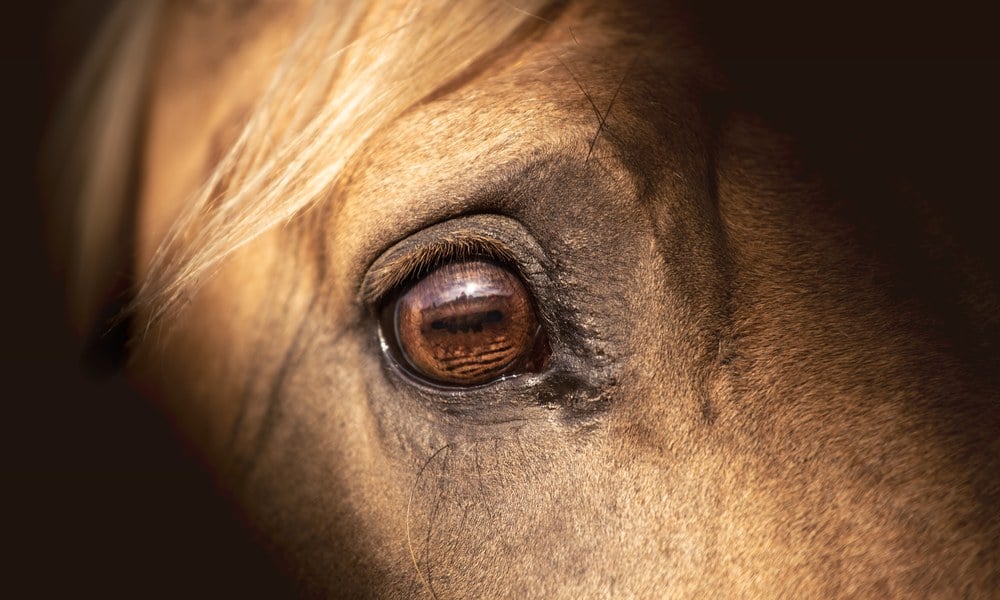
Representative Image (Ella/Adobe Stock)
For horses and farmed animals, preparation is partly about routine and partly about removing hazards. Guardians may need to check fencing, close barn doors, secure gates, reduce fire risks, stay nearby, play background noise, or move animals farther from the sound. A few minutes of notice can protect animals without turning celebration into conflict.
Wildlife Has Nowhere to Hide Indoors
Wild animals cannot be brought into a quiet room or comforted under a blanket. They must react from wherever they are when the sky erupts.
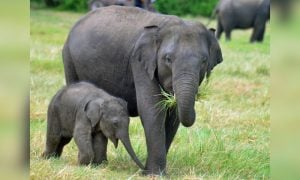
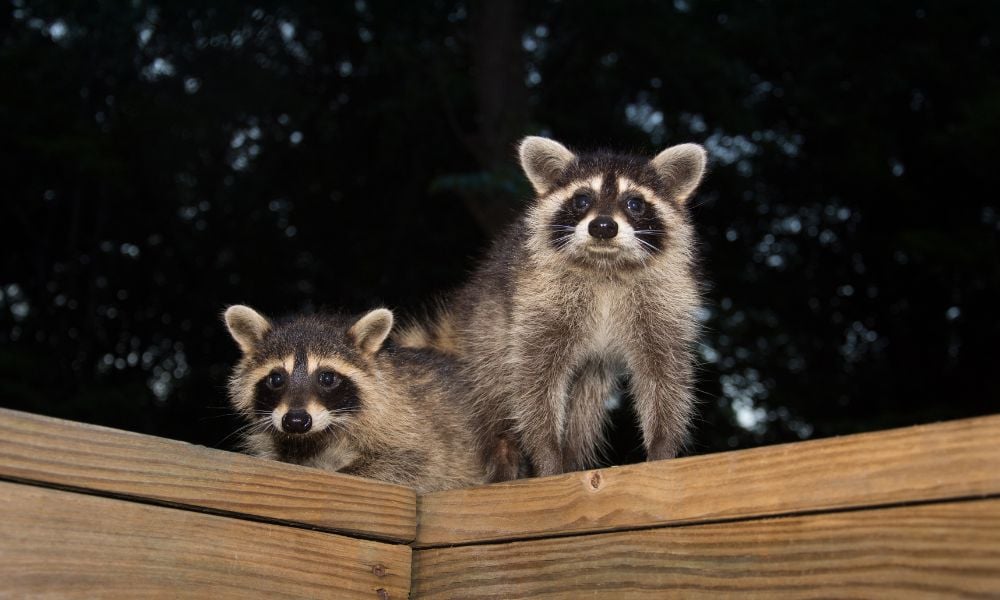
The University of Illinois College of Veterinary Medicine says wildlife hospitals and rehabilitation centers see an increase in orphaned and injured wildlife around the Fourth of July. Fireworks can frighten wildlife into panic: birds may fly into windows, small mammals may flee and injure themselves, and some animals may abandon their young after loud, disorienting noise.
Representative Image (Tony Campbell/Adobe Stock)
Firework debris can create danger long after the noise ends. The University of Illinois College of Veterinary Medicine notes that paper, cardboard, strings, plastic, and chemical-coated trash from fireworks can pose risks if wild animals eat them or become tangled in them. String-like debris can also entangle birds, leaving them unable to fly, feed, or defend themselves from predators.
For wildlife, the effects of fireworks do not always end when the sky grows quiet. Fewer backyard fireworks, more distance from habitat, and careful cleanup can make the night less dangerous for animals who have no door to close and no safe room waiting.
Before the Fireworks Start, Ask for Help
Guardians do not have to prepare alone. Veterinarians can help develop plans for animals with severe noise anxiety, including behavior-management strategies and, when appropriate, medications that may reduce fear and panic. Local animal control agencies, veterinary clinics, shelters, and neighborhood groups can also be useful if an animal becomes lost despite precautions.
If fireworks are planned nearby, neighbors, event organizers, homeowners associations, and local officials may also be able to provide advance notice that gives animal guardians time to prepare. For horses and farmed animals, even a brief conversation before a display can provide valuable time to check fencing, secure animals, and reduce risks.
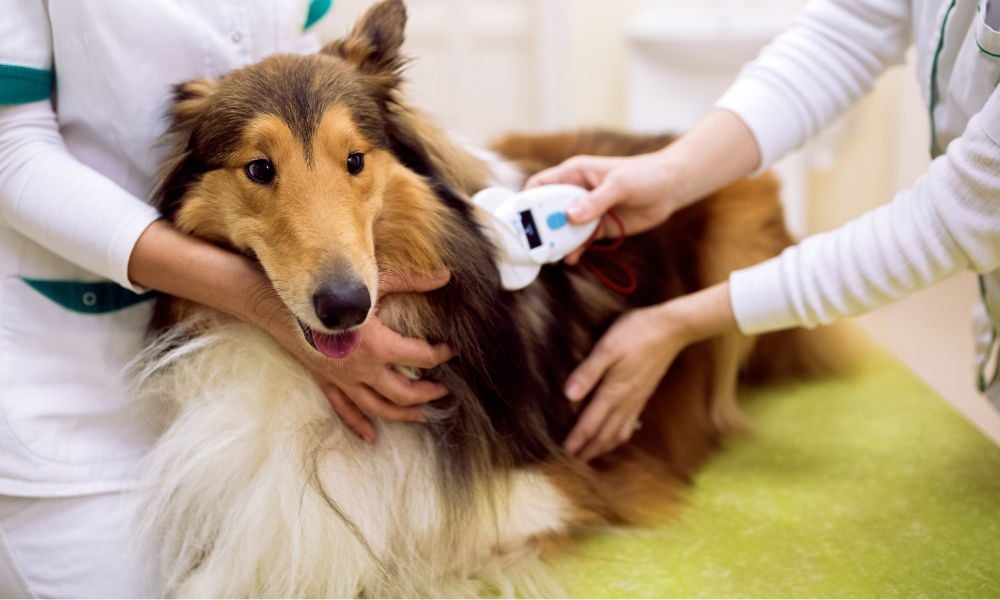
Updated microchip information, visible ID tags, and a recent photo remain some of the simplest tools for bringing lost animals home. If fear sends an animal running, those small preparations can give guardians a better chance of finding them quickly and bringing them home safely.
Representative Image (didesign/Adobe Stock)
A Better Celebration Is Possible
Communities can still celebrate without turning the night into a hazard for animals. Sharing fireworks schedules in advance, keeping displays away from stables and wildlife areas, cleaning up debris, and choosing quieter options can help protect animals while still giving people a shared celebration.
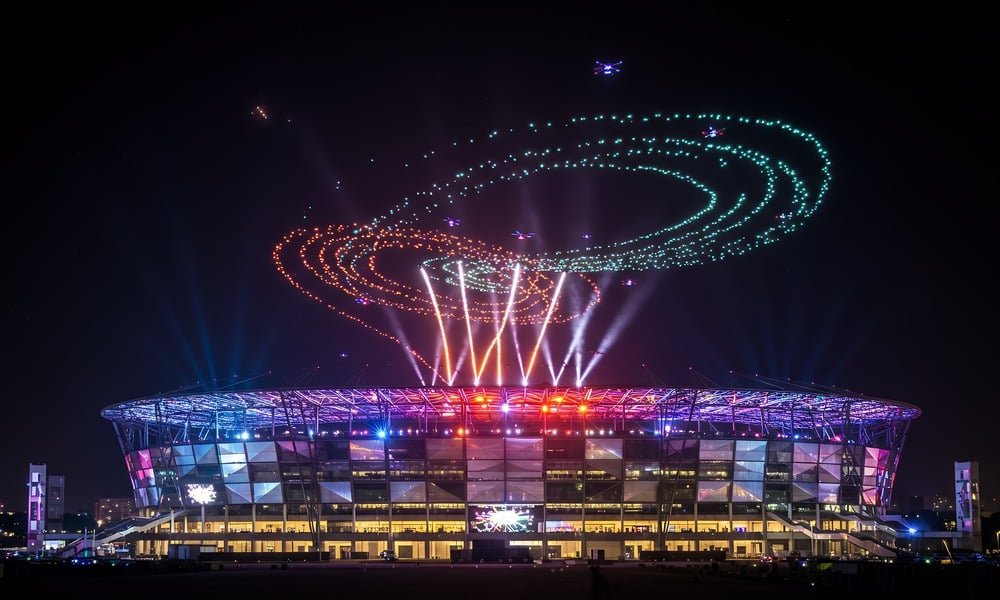
Drone light shows offer a more imaginative and animal-friendly alternative. They can keep the color, motion, and big-show feeling people love about fireworks without the hard booms that send animals hiding, bolting, or trembling. Fairfax County Park Authority points to benefits including less noise, no smoke or falling debris, more comfort for many companion animals, young children, and people with sensory sensitivities, and reduced disturbance for wildlife. Individual residents can help, too, by choosing not to set off fireworks near homes with companion or farmed animals, giving neighbors advance notice when fireworks are planned, and speaking up for animal-friendly celebrations in their communities.
Representative Image (abangaboy/Adobe Stock)
Before the next holiday, guardians can take a few simple steps: bring animals inside, close windows and curtains, turn on soft background noise, prepare a safe hiding place, walk dogs early, update ID tags and microchip information, secure fences and gates, talk to neighbors, and contact a veterinarian in advance for animals with severe fear or anxiety.
Fireworks fade quickly for people, but animals can carry the fear and consequences long after the sky goes quiet. With planning, restraint, and compassion, we can help ensure that a night of celebration does not become a night of suffering. We can protect the dogs under our tables, the cats beneath our beds, the horses in nearby pastures, the small animals in hutches, and the wild lives sheltering just beyond our walls. We do not have to choose between celebration and protecting animals. With a little foresight, we can do both.