Justice is continuing to catch up to people involved in the creation and distribution of cruel monkey torture videos. After years of documentation, investigations, and reporting by Lady Freethinker and other advocates, 2026 has already brought new arrests and prison sentences for individuals participating in this abuse. These cases are part of a growing international crackdown that is finally bringing accountability for exploited baby monkeys.
To date, 33 people worldwide have been prosecuted for their roles in these torture networks. This progress reflects the combined efforts of animal protection organizations, law enforcement agencies, and prosecutors who are treating these crimes seriously.
This momentum did not develop overnight. It began in 2021, when Lady Freethinker and Action for Primates first exposed the private “Million Tears” group, which commissioned custom torture videos of baby monkeys. Findings from that investigation helped inform the BBC documentary “The Monkey Haters” and were shared with authorities around the world. Since then, LFT has continued to track and report hundreds of instances of monkey torture content across major platforms and encrypted chats, contributing to multiple arrests and prosecutions.
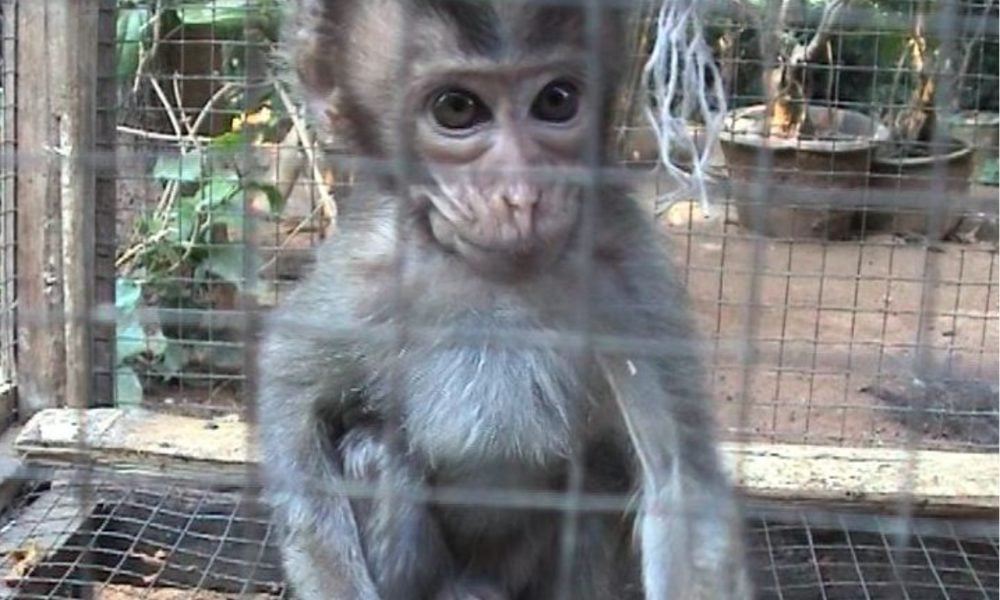
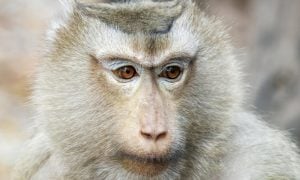
Captive Infant Long-Tailed Macaque (Courtesy of Action for Primates)
This year has already seen additional progress. A Massachusetts man was sentenced to more than two years in prison for conspiring to create and distribute monkey torture videos, and authorities took action against two more individuals in March. Each case reinforces a clear message that this cruelty will not be tolerated.
There have also been moments of hope. In 2024, a young macaque named Mini, who became known globally as a victim of torture, was seized by authorities. After two years of rehabilitation at Jakarta Animal Aid Network, Mini was released into the wild to live free. Lady Freethinker sponsored Mini’s care and release.
LFT continues to monitor monkey torture networks and other forms of online animal abuse. While there is still significant work ahead, real and measurable progress is happening. These prosecutions show that sustained documentation, public pressure, and coordinated law enforcement action can dismantle torture networks and help protect vulnerable animals.