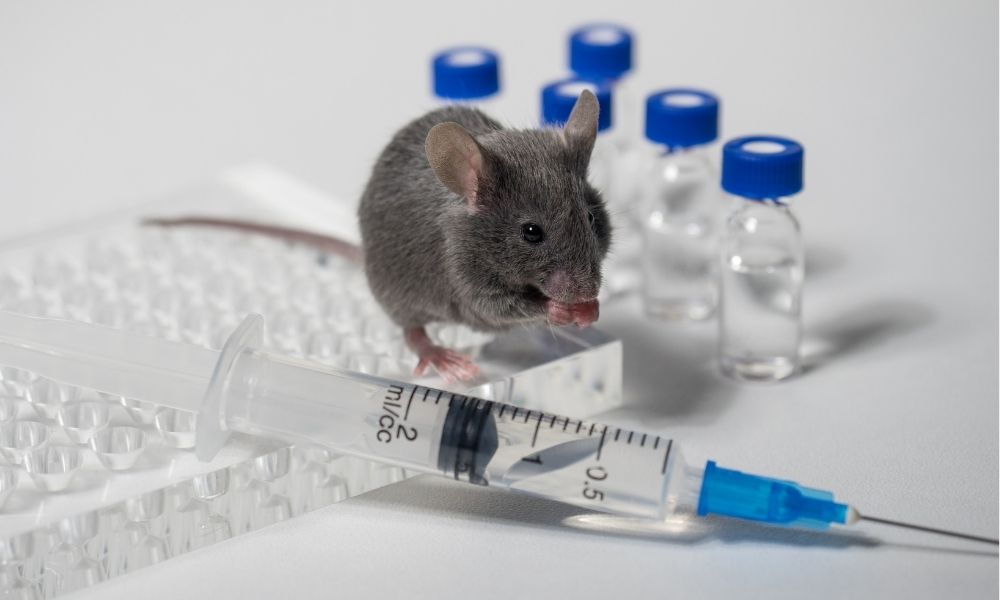
Proponents of animal testing have long claimed it’s a necessary step for medical breakthroughs and human safety. But a growing body of research shows that it’s not only cruel — it’s also failing to deliver on its promises. Scientists, doctors, and advocates are increasingly calling for change, pointing to more effective ways to study human health that don’t involve harming animals.
When Animal Tests Don’t Match Human Biology
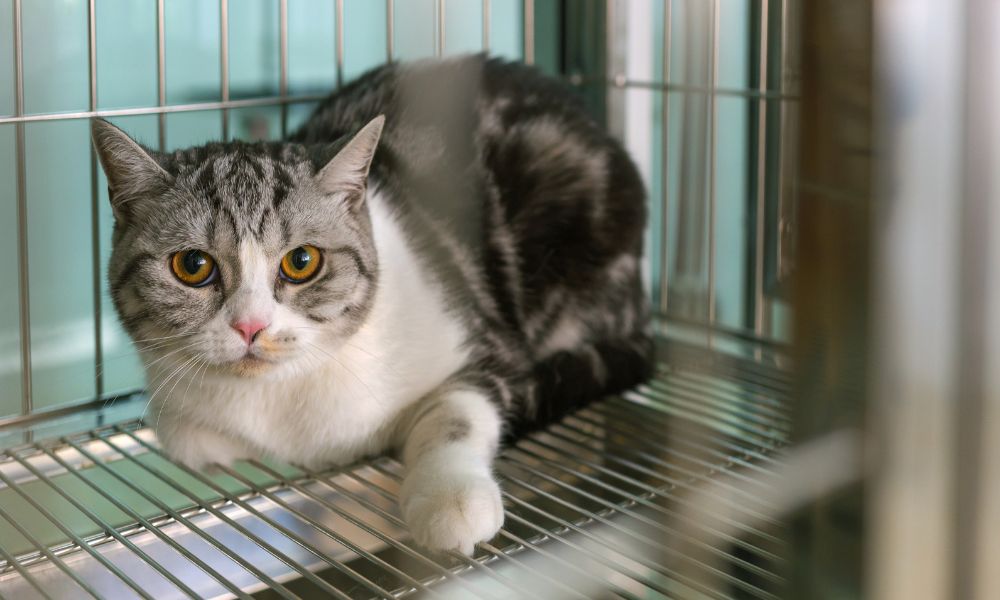
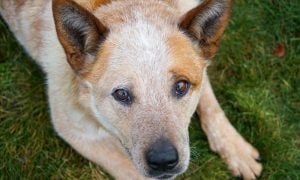
Representative Image (Gumpanat/Shutterstock)
One of the biggest problems with animal testing is simple: animals aren’t miniature humans. Their bodies and biology are different from ours, which means what’s safe or effective for them often isn’t for us.
For example, more than 90% of drugs that pass animal tests later fail in human trials — either because they don’t work, or they cause dangerous side effects. Even drugs that caused human tragedies once looked safe in animals. The sedative thalidomide passed animal tests but reportedly led to birth defects or death for more than 10,000 human babies.
Despite these failures, an estimated 115 million animals — including monkeys, dogs, rabbits, rats, and mice — are used in experiments every year.
The Ethics: Animals Deserve Better
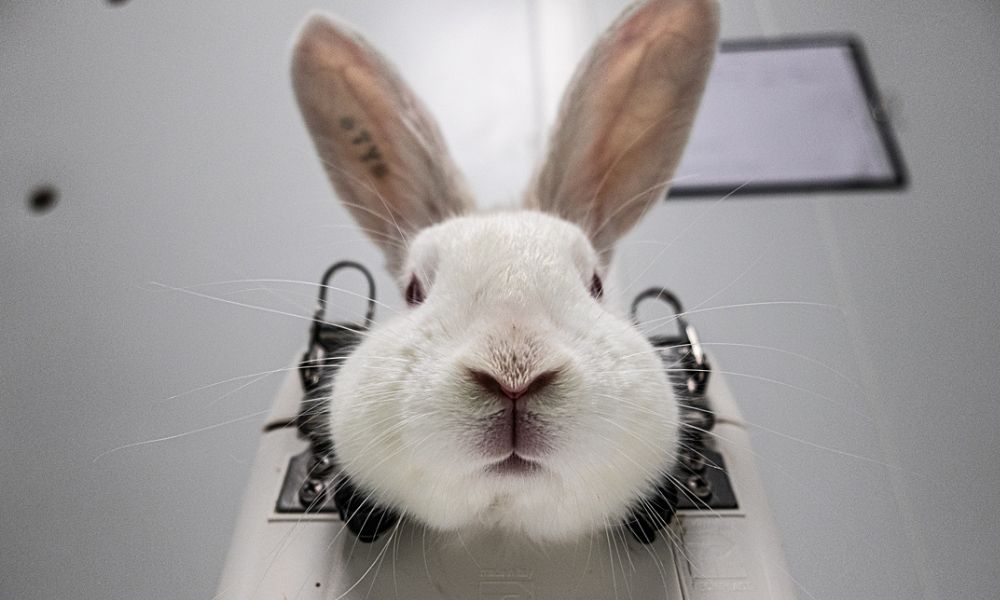
Representative image (Carlota Saorsa/We Animals)
Beyond the scientific failures lies a deeper moral problem: animals used in research spend their lives in isolation in cages and endure painful procedures, toxic chemical exposure, or repeated surgeries before being killed.
For decades, laboratories claimed to follow the “3 Rs” (Replace, Reduce, Refine) as a guide to make testing more ethical. In theory, that means replacing animals with other methods whenever possible, reducing the number used, and refining experiments to lessen their suffering. But in practice, these ideas are too often treated as bureaucratic checkboxes instead of real commitments.
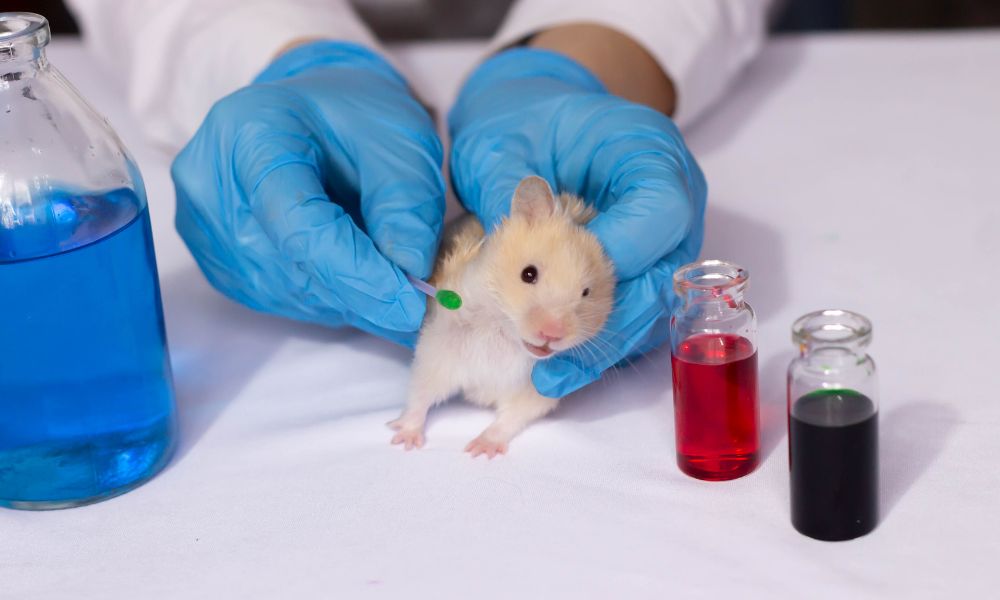
Representative Image (SvetlanaAn/Shutterstock)
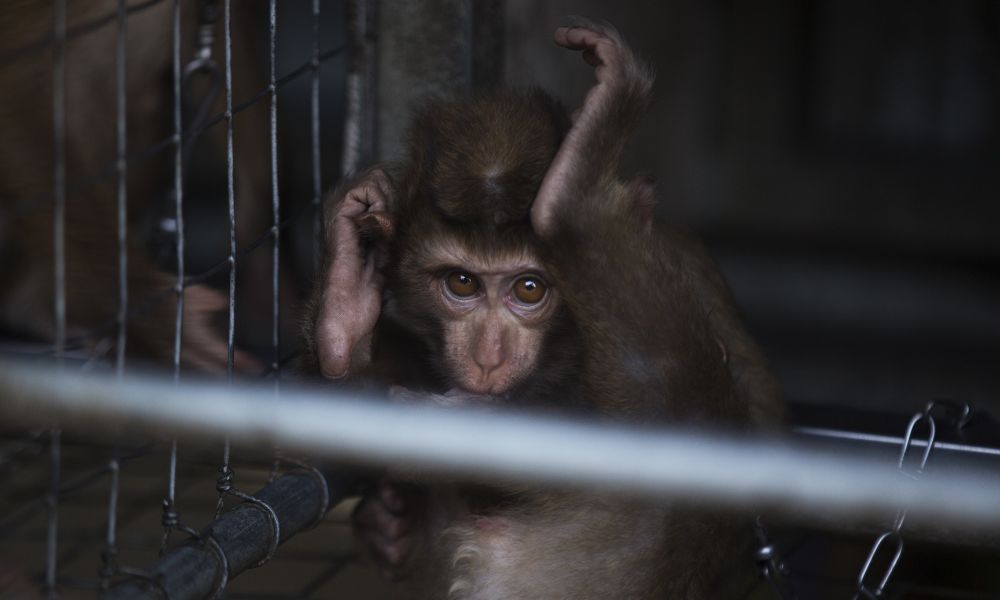
A South Carolina research facility came under investigation in late 2024, for instance, after leaked documents revealed that at least 82 monkeys were injured or died between 2021 and 2023, according to The Guardian. The primates reportedly suffered from dehydration, entrapment, fractures, severed tongues, hyperthermia, heatstroke, and other ailments.
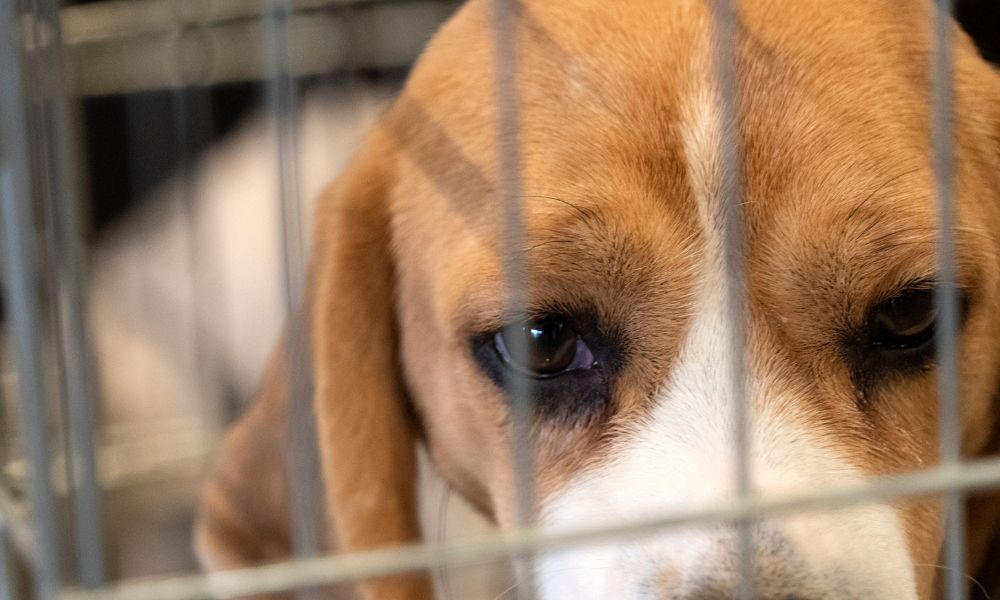
Likewise, in June 2024, Envigo pleaded guilty to federal charges after mistreating thousands of beagles used for research. The investigation showed that dogs were denied veterinary care, euthanized without anesthesia, lived in a filthy environment, and underfed while nursing puppies. In addition, there were hundreds of puppy deaths without proper documentation.
Unfortunately, these two examples are just a small slice of the widespread neglect and abuse that is prevalent in the animal experimentation industry.
Promising Alternatives and the Path Forward
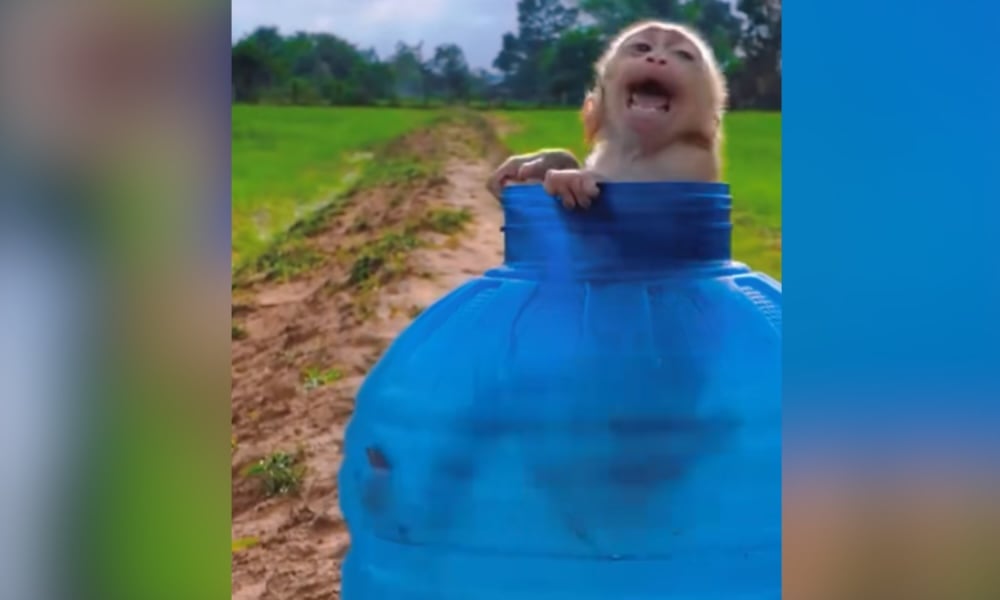
Representative Image (Andrea Izzotti/Shutterstock)
The good news is that better, kinder science is already here.
Organ-on-a-chip devices can replicate the functions of human organs and allow scientists to see how real human cells respond to drugs or toxins — something animal testing can’t accurately show. Additionally, computer modeling and AI are now predicting chemical safety and disease responses faster and more reliably than animal studies. These systems can analyze millions of data points from human biology to forecast results in ways that no rat used in a lab ever could.
This wave of innovation is also fueling real change. In 2022, the U.S. passed the FDA Modernization Act 2.0, officially allowing drug developers to use these non-animal methods instead of mandatory animal tests — a significant step toward more ethical and effective research.
Building a Future Without Animal Testing
Representative Image (sion ribeiro joseph/Shutterstock)
Replacing animal tests won’t happen overnight. It will take funding, training, and a willingness on the part of institutions to value accuracy over tradition. But the change is already underway.
Animal testing has had its time. Now, it’s time for a better model — one that saves both animals and people.