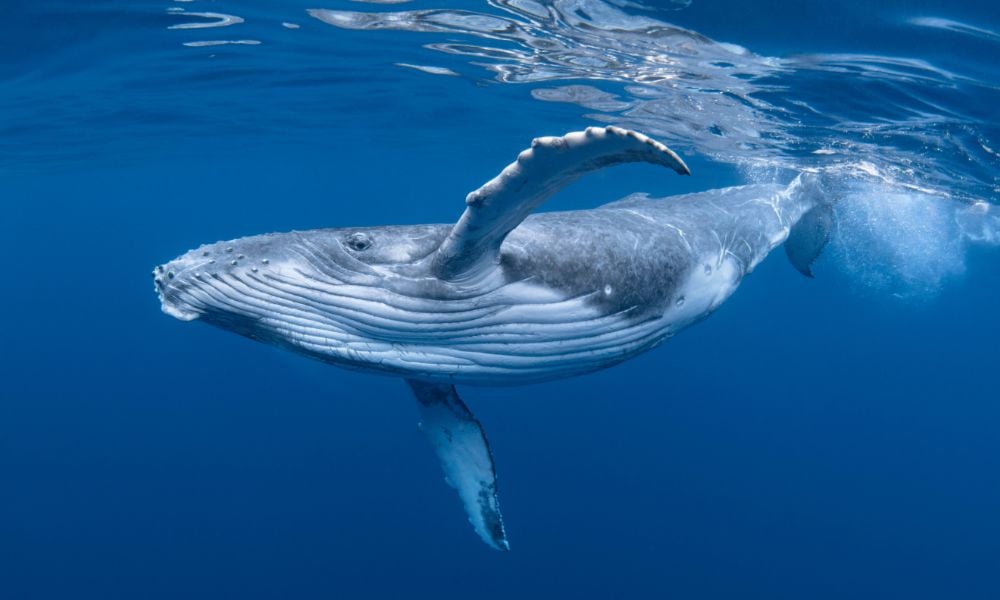
Boat traffic is disrupting the lives of marine animals worldwide, according to a new analysis that reviewed over 40 years of research. The study, published in npj Ocean Sustainability, examined 1,850 comparisons from 204 peer-reviewed papers. It found that vessels consistently interfere with the behavior, communication, and physiology of large ocean animals.
Researchers looked at how whales, dolphins, seals, sea turtles, sharks, rays, and other large marine wildlife respond to the presence, distance, and noise of vessels. They discovered that animals often reduce foraging, change their migration routes, or modify their vocalizations when boats are nearby. Even without direct collisions, the mere presence of vessels can raise stress levels and disrupt essential behaviors.
The study also highlighted a significant gap in existing research. While whales and dolphins have been studied extensively, large fish, rays, and sharks remain relatively overlooked. This lack of data is worrying because these species play vital roles in ocean ecosystems. If vessel noise and disturbances harm these animals more than currently documented, the consequences could affect food webs and climate systems.
More than 80 percent of global trade moves by sea, and recreational boating has increased in recent years. With shipping routes, wildlife movements, and weather patterns constantly changing, experts say traditional fixed protections are no longer sufficient.
The co-authors maintain that flexible strategies are needed to reduce harm. Seasonal slow-speed zones, shifting buffer distances, and temporary closures of sensitive habitats are among the approaches researchers suggest could help protect wildlife while allowing human use of the ocean.
By combining decades of research from various species and regions, the new study provides the clearest picture yet of how vessel traffic affects marine life. The authors hope their findings will lead to stronger, science-based protections for vulnerable species living in increasingly noisy and crowded waters.