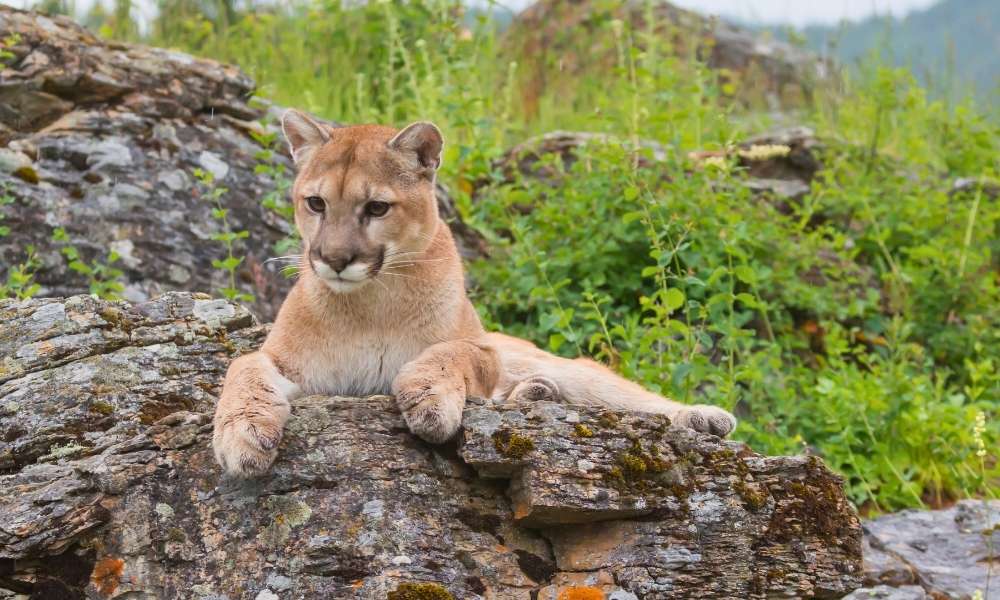
In a win for California’s big cats and wildlife conservation, the California Fish and Game Commission has voted to grant state threatened species protections to several populations of mountain lions across central and southern California under the California Endangered Species Act (CESA).
The unanimous vote designates six distinct (and largely isolated) regional populations of these iconic big cats as a single “distinct population segment” and lists them as threatened under CESA. The protected region stretches from the Santa Cruz Mountains south along the Central Coast and through the Santa Monica Mountains, San Gabriel and San Bernardino ranges, Santa Ana Mountains, and the Eastern Peninsular Ranges near the California‑Mexico border.
Wildlife officials estimate that more than 1,400 mountain lions live across these central and southern California ranges, representing roughly one‑half to one‑third of the state’s total population of 3,200–4,500. Many of these cats face steep challenges from habitat fragmentation, vehicle strikes, exposure to toxic rodenticides, disease, wildfire impacts, and shrinking genetic diversity.
What the Protections Mean
Under the threatened listing, state agencies must now consider impacts to these mountain lions and their habitats when approving development or infrastructure projects within the listed distinct population segment. The designation is expected to strengthen conservation planning aimed at improving habitat connectivity — including wildlife crossings and protected movement corridors to help lions safely traverse highways and urban barriers that currently isolate populations.
Advocates have long warned that without intervention, some Southern California mountain lion populations could face local extinction as small, isolated groups lose genetic diversity and suffer high mortality from roads and other human causes. Years of scientific review by the California Department of Fish and Wildlife and the commission preceded the vote, following a 2019 petition from the Center for Biological Diversity and the Mountain Lion Foundation that asked the state to protect an evolutionarily significant unit of mountain lions. The lions were previously treated as candidate species, which gave them temporary protections while the state evaluated their status.
Mountain lions — also known as cougars or pumas — once roamed widely and more continuously across California, but sprawling development and expanding road networks have carved their habitat into fragmented pockets. Biologists have documented dangerously low genetic diversity in certain Southern California populations, with modeling suggesting that some could face a high risk of total elimination within decades without improved connectivity and reduced human‑caused mortality.
Reactions from Advocates and Adversaries
Conservationists say the new threatened designation formally recognizes that these pressures are human‑driven — and that solutions must be as well. By requiring habitat protections, mitigation measures, and better planning around roads and development, the listing aims to ensure that growth doesn’t push already vulnerable mountain lion populations closer to collapse.
Ahead of the vote, several hunting and animal agricultural interests — including the California Cattlemen’s Association and the California Deer Association — urged commissioners to reject the heightened protections, arguing that expanding safeguards for mountain lions could increase risks to people, pets, and livestock, and complicate efforts to respond when lions wander near animal farms and communities.
For supporters, however, the vote is a recognition that mountain lions — apex predators that play a crucial ecological role and capture the public’s imagination — deserve deliberate protection in an increasingly fragmented landscape. With these new protections in place, California has signaled that coexistence, not continued decline, could be the path forward for one of the state’s most iconic wild animals.