A new study has raised concerns that AI-generated wildlife images and videos could potentially distort public perceptions of wild animals and undermine critical conservation efforts.
Researchers from the University of Córdoba in Spain found that several features of modern life can intensify the problem — including our heavy reliance on social media, our tendency to anthropomorphize animal behavior, and people’s increasing detachment from the natural world.
“Our findings indicate that some posts are concerning because they do not reflect reality, which can contribute to misinformation,” study co-author José Guerrero Casado told Popular Science. “For effective biodiversity conservation, it is essential that society is well informed.”
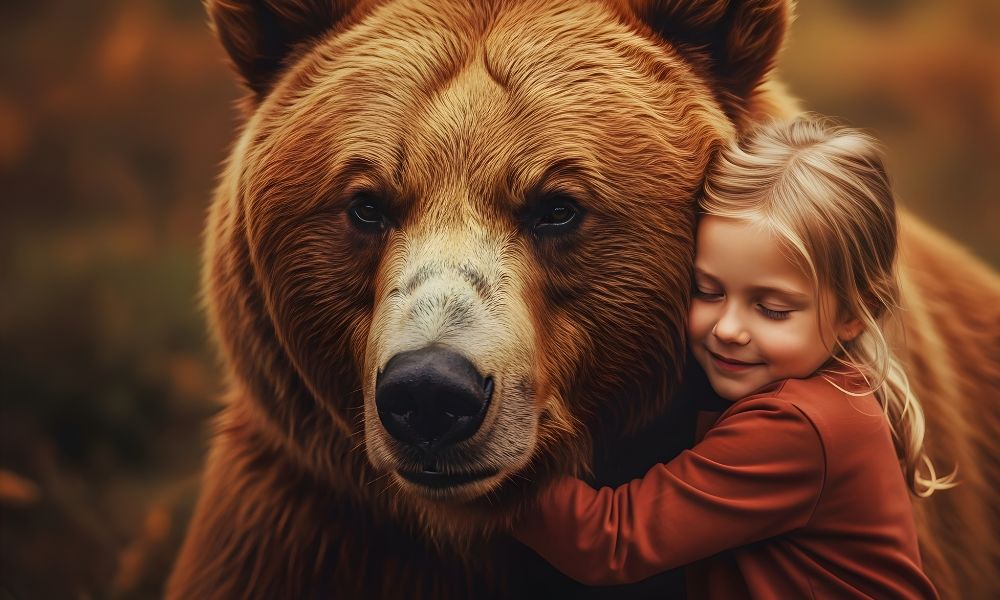
Examples provided in the study range from affectionate predator–prey interactions to humans interacting with dangerous wild animals, as well as videos of animals attacking people — footage that can spark unwarranted fear and prompt harmful responses toward wildlife.
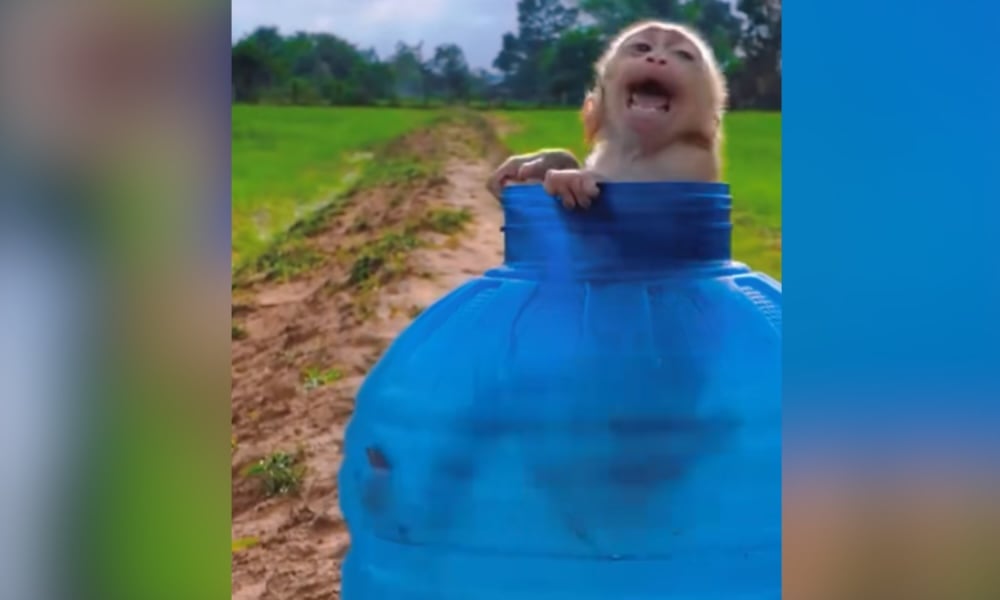
Other misleading content shows AI-generated animals with inaccurate physical characteristics, places species in locations where they do not exist, or portrays endangered species as being more common or less at risk than they are in reality.
The consequences of people seeing these types of images and videos could include reduced support for conservation projects or even heightened interest in keeping exotic animals as pets — especially if they are portrayed as friendly.
What’s more, as AI technology advances, it will become harder to tell authentic wildlife imagery from fake content, increasing the likelihood that misleading posts will circulate unchecked.
To help mitigate these potential issues, the study’s authors recommend integrating media literacy in classrooms and launching public awareness efforts to give people the tools to judge whether what they see on social media is real.
Lady Freethinker is grateful to the researchers who are bringing attention to the growing risks posed by AI-generated wildlife imagery, and hopes their findings will encourage the public to think more critically about the wildlife content they encounter online.