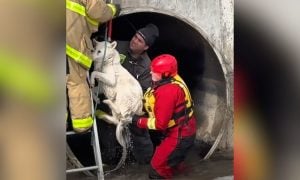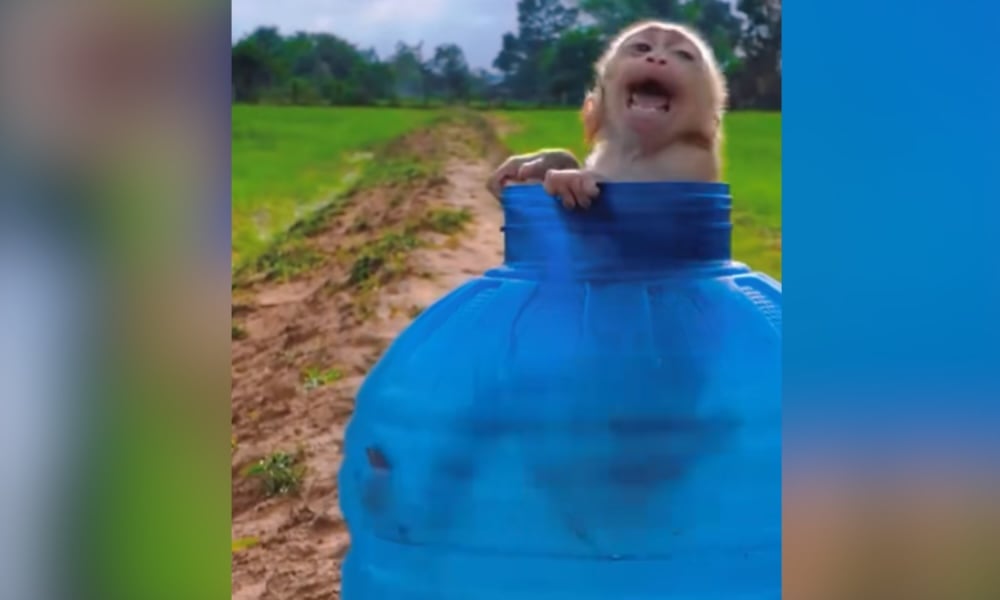

Fake rescues are among the most common forms of animal cruelty content circulating online. In Lady Freethinker’s Scrolling Through Cruelty report, more than a third of what our investigators found involved these deceptive “rescue” posts — making them the second most prevalent category after monkey torture.
Sadly, many caring individuals may inadvertently contribute to the spread of this content by sharing and engaging with it, without realizing that their clicks — and sometimes their donations — can help sustain animal abuse.
What Is Fake Rescue Content?
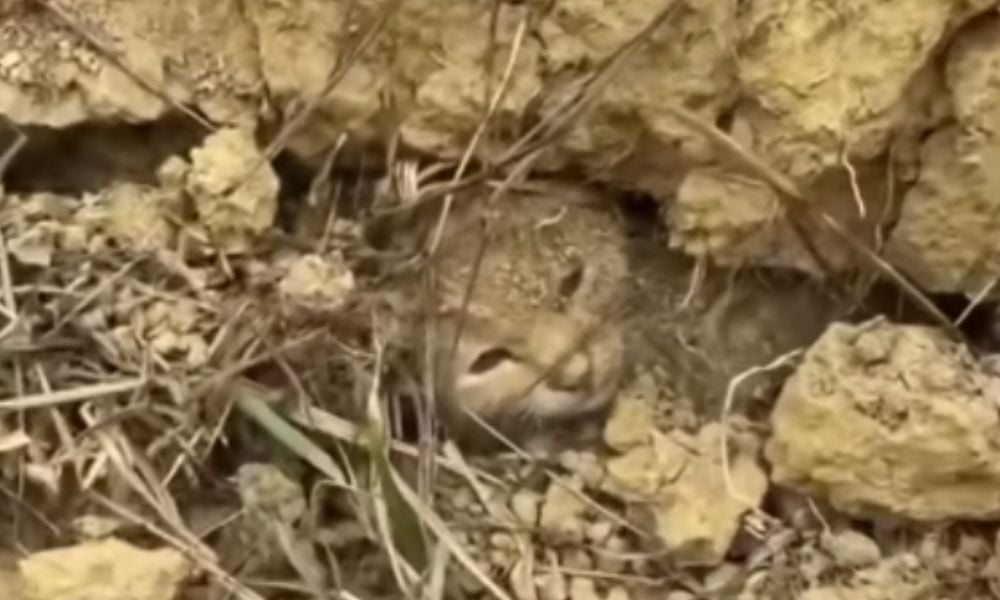
Cat supposedly found buried
Fake rescue content is built around staged scenarios in which animals are deliberately endangered or harmed so creators can film themselves performing so-called “rescues.” These posts most commonly feature cats, primates, and dogs.
The material falls into several categories, including scenarios involving abandoned animals, animals attacking other animals, trapped animals, animals infested with parasites, and medical treatment or resuscitation. In some cases, animals are exploited to solicit donations.

Puppy supposedly found with snout and paws bound
Examples of this type of content include neonatal puppies being “discovered” in an overturned dumpster, a kitten shown with a snake wrapped around their legs before a man intervenes, a dog portrayed as being “saved” after being tied to train tracks, and animals being “rescued” from severe tick infestations.
In a recent and disturbing case in Virginia, a man allegedly tortured cats and posted hundreds of videos online depicting them in severe distress to solicit money from viewers. One cat connected to the case was found to have a fractured skull and spine, several broken ribs, and appeared to have been drugged during filming, while being presented as having cancer and only days left to live.
How to Spot and Report Fake Rescue Content
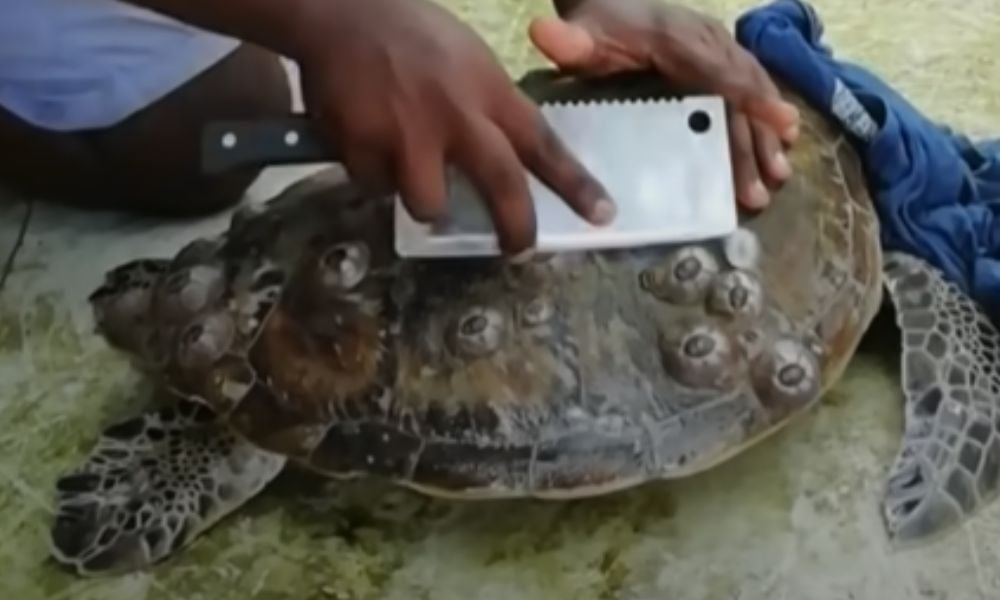
Man uses blade to scrape barnacles from sea turtle’s shell without proper freshwater soaking preparation
Red flags that may indicate rescue content is staged include the absence of a legitimate animal organization, the “rescuer” obscuring their face and identity, pages that post numerous similar videos with little or no follow-up on the animals, and footage showing improper rescue or veterinary conduct.
Other indicators include the same individual repeatedly appearing as the “rescuer,” the same animals featured across multiple videos, deliberately delaying aid to an animal in order to record the situation, edited footage with multiple camera angles, or unlikely combinations of species — such as a snake and a cat.

Dog supposedly found tied in tree
If you encounter fake rescue content, please report it to the platform where it appears, the appropriate authorities, and Lady Freethinker via our e-tip line at [email protected].
Never comment on, share, or otherwise engage directly with fake rescue content. Doing so only increases the content’s visibility across the platform, which can in turn give bad actors exactly what they are seeking: more attention and more opportunities to exploit animals for cash.
We also urge you to sign our petition calling on social media platforms to remove animal cruelty content and implement measures to prevent it from being posted.
Together, we can protect vulnerable animals by stopping the spread of fake rescue content and help redirect support to legitimate rescue efforts that truly help animals in need.