
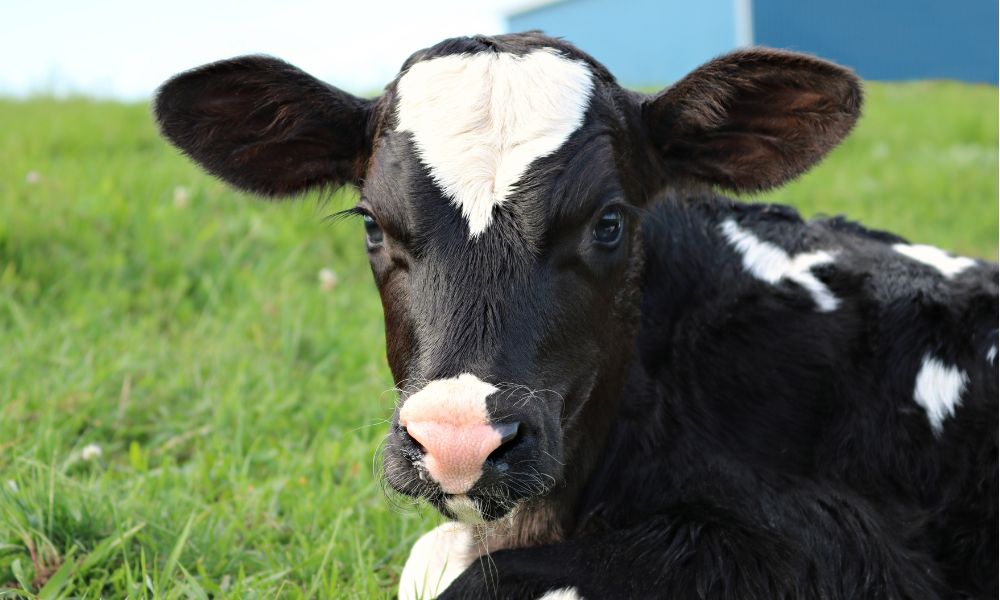
Some good news from south of the equator: New Zealand’s ban on the cruel practice of live animal exports by sea will remain in place, marking a reversal from earlier government plans to bring the trade back.
The ban, which took full effect in April 2023, followed years of criticism over the severe risks animals face at sea, including intensive overcrowding, heat stress, and long, arduous journeys with extremely limited oversight. A high-profile catalyst was the 2020 sinking of the livestock vessel Gulf Livestock 1, which resulted in the deaths of 5,867 cattle and 41 crew members during Typhoon Maysak. That disaster intensified calls for stricter protections and helped drive the policy change in New Zealand.
In recent years, however, some agricultural groups and members of the current governing coalition pushed for the trade to resume, arguing that it provides economic opportunities for farmers and strengthens international relationships. The government had been reviewing whether a heavily regulated system — with so‑called “gold standard” ships and new certification requirements — could address the massive and ongoing welfare concerns.
The decision to maintain the ban reflects ongoing unease about whether such risks can be meaningfully reduced. Animal welfare groups — including Lady Freethinker — have long argued that even with stricter rules, transporting live animals across oceans exposes them to extraordinarily inhumane conditions that are impossible to control and can quickly become life‑threatening.
“It’s fundamentally cruel, and there’s no way to uphold the barest animal standards while exporting at sea,” New Zealand Green Party spokesperson Steve Abel said of the victory. “They couldn’t get it across the line because New Zealanders didn’t want to see animals suffering in that way.”
By maintaining the ban, New Zealand is keeping a policy focused on reducing risk to animals during transport — and reinforcing a growing global shift away from live export by sea.