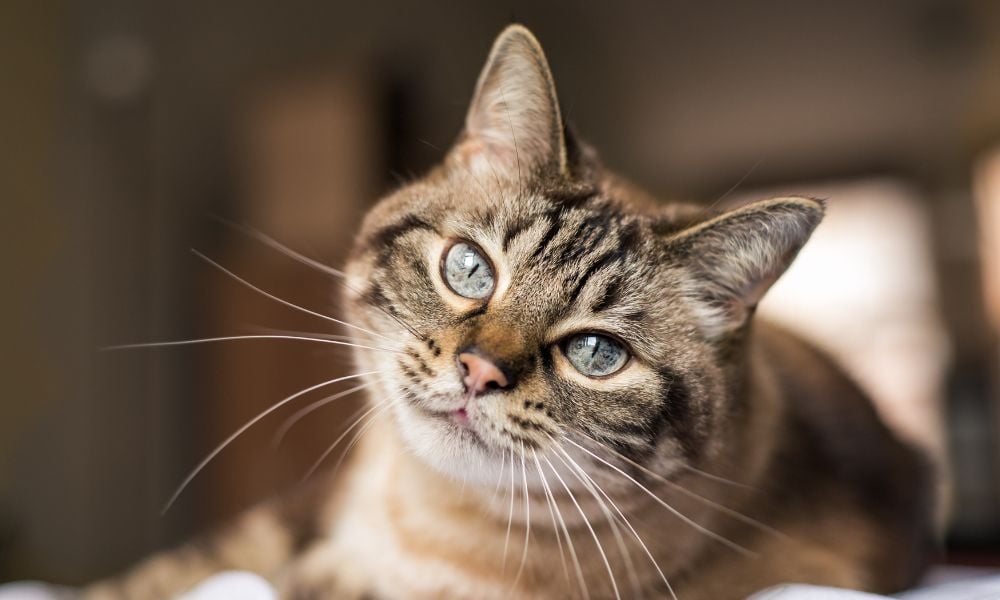
Keeping cats safe at home doesn’t just protect wildlife — new research shows it likely helps them live longer, too.
Researchers from Murdoch University reviewed studies from around the world and found that free‑roaming pet cats face high risks from traffic, fights, falls, poisoning, and disease. Their review suggests that cats allowed to roam outdoors may have lifespans two to three years shorter, on average, than cats that are kept safe at home.
In one U.S. study cited in the review, cameras on outdoor cats showed nearly half crossed roads, while many also crawled under houses and into storm drains, or drank from unknown water sources — all situations that can quickly become dangerous. Similar research in New Zealand and Australia documented frequent road crossings and risky behaviors, reinforcing that these dangers aren’t limited to a single country.
The authors note that debate around cats usually centers on wildlife, and for good reason — free‑roaming cats kill billions of birds and small mammals each year in the U.S. alone. But they stress that roaming also carries serious welfare costs for the cats themselves, from often‑fatal car strikes to infectious diseases, injuries from fights, and even deliberate poisoning and cruelty.
Traffic accidents were identified as a leading cause of death for younger roaming cats in a recent UK study, with European data suggesting that up to about one in four cats may be hit by a vehicle in their lifetime. Many of those incidents are fatal, especially for young, unneutered males who roam farther and more often.
Experts say the simplest way to protect both cats and wildlife is to keep cats contained on their guardian’s property, using fully indoor living, secure “catio” enclosures, or supervised outdoor time on a harness. They recommend enriching indoor spaces with vertical climbing areas, hiding places, toys, scratching posts, and multiple litter boxes so that cats can express their natural behaviors safely.
Lady Freethinker encourages guardians to choose cat‑safe housing and enrichment instead of unsupervised roaming — both to spare local wildlife from predation, and to give beloved cats the best chance at long, healthy lives.