A newly signed federal law will expand milk options in U.S. school cafeterias, allowing students who can’t or don’t consume dairy to receive a non-dairy alternative as part of standard school meals for the first time.
In a win for animal advocates and public health experts, the Whole Milk for Healthy Kids Act formally opens the door for dairy‑free milk options to be served alongside cow’s milk in school cafeterias, without requiring families to provide medical documentation. These provisions come from a congressional bill introduced last year known as The FISCAL Act, which allows schools to include plant-based milks in their cafeteria offerings.
Under the updated rules, schools will be able to offer plant‑based milk alternatives like soy, oat, or almond milk as part of their regular lunch line, rather than treating them as special accommodations. Students who are lactose intolerant will now also be entitled to a non‑dairy beverage option without needing a doctor’s note; this removes a barrier that previously kept many children from receiving suitable alternatives.
Many have long argued that the prior system unfairly penalized students who couldn’t digest dairy, and disproportionately affected children of color, who experience higher rates of lactose intolerance. Until now, many students have either had to skip the milk component of school lunches altogether, or navigate cumbersome exemption processes.
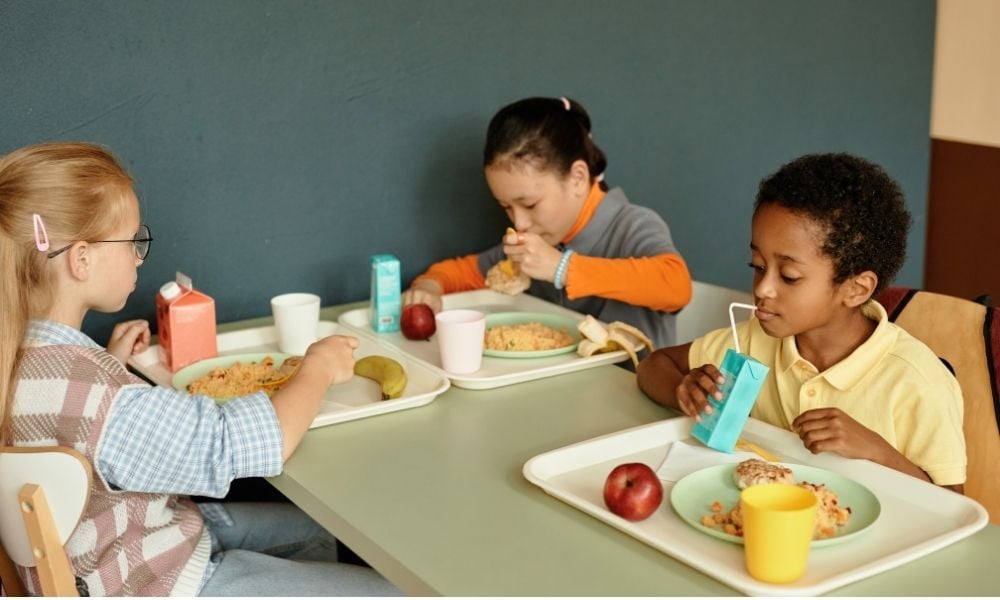
Representative Image (SeventyFour/Shutterstock)
“This is a simple change with life‑changing impact,” said Dotsie Bausch, a vegan Olympic medalist and founder of Switch4Good, who helped champion the legislation. She said the law ensures students can access plant‑based milk in the lunch line “without the need for a doctor’s note,” and calls it a meaningful step toward dignity and choice for children with different health needs and values.
The shift also reflects how families already eat outside of school — and addresses years of avoidable food waste from unopened dairy milk cartons tossed away by students who couldn’t or wouldn’t drink them. USDA estimates suggest that roughly 30% of milk cartons offered in schools are thrown away unopened, and other research indicates that students discard about 150 million gallons of school-provided milk each year, contributing to an estimated $400 million in taxpayer‑funded food waste.
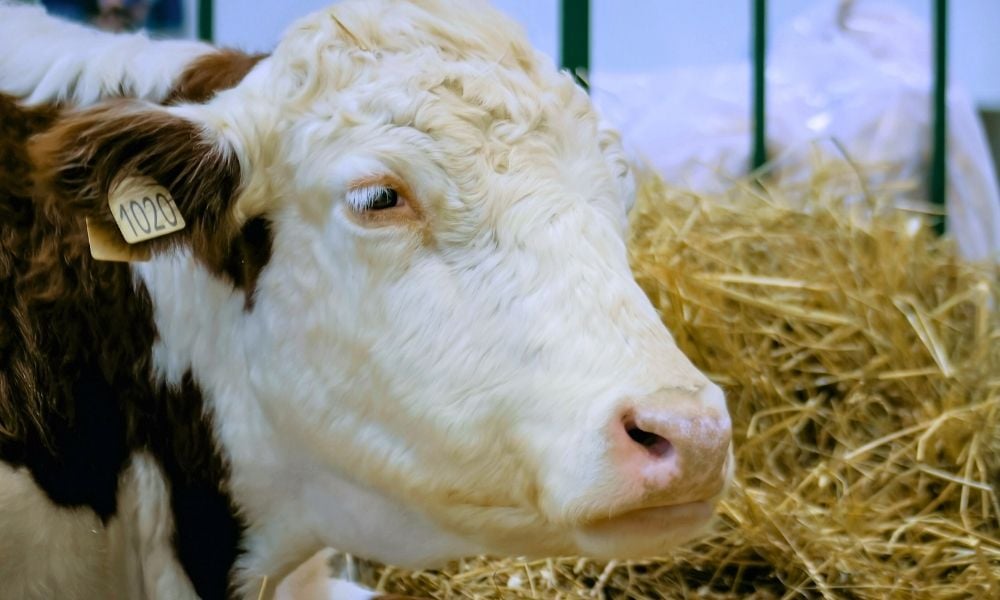
By normalizing plant‑based milk as a standard option in school cafeterias, rather than a special exception, the new law is good news for humans and animals: It’s a win for parents seeking dairy‑free options for their kids — whether for health, ethical, or environmental reasons — and for over 9 million cows who suffer for traditional dairy milk in the U.S.