
A bipartisan bill that would give students real freedom of choice in the cafeteria — access to plant-based milk options — is on track to pass, according to advocates on the ground in Washington, D.C.
The FISCAL Act — short for the Freedom in School Cafeterias and Lunches Act (FISCAL)— is co-authored by Switch4Good and Animal Wellness Action. The legislation updates the decades-old National School Lunch Program by allowing schools to place plant-based milk in the school lunch line for students to have free choice to select. If schools opt against placing plant-based milk in the cafeteria, then students can request plant-based milk with just a note from their parents, rather than the doctor’s note that was previously required.
“For 79 years, children have had one choice: cow’s milk,” said Dotsie Bausch, Olympic medalist and founder of Switch4Good. “And for the millions of children [for whom] cow’s milk makes them sick, this is a momentous opportunity to get the good nutrition they deserve at breakfast and lunch.”
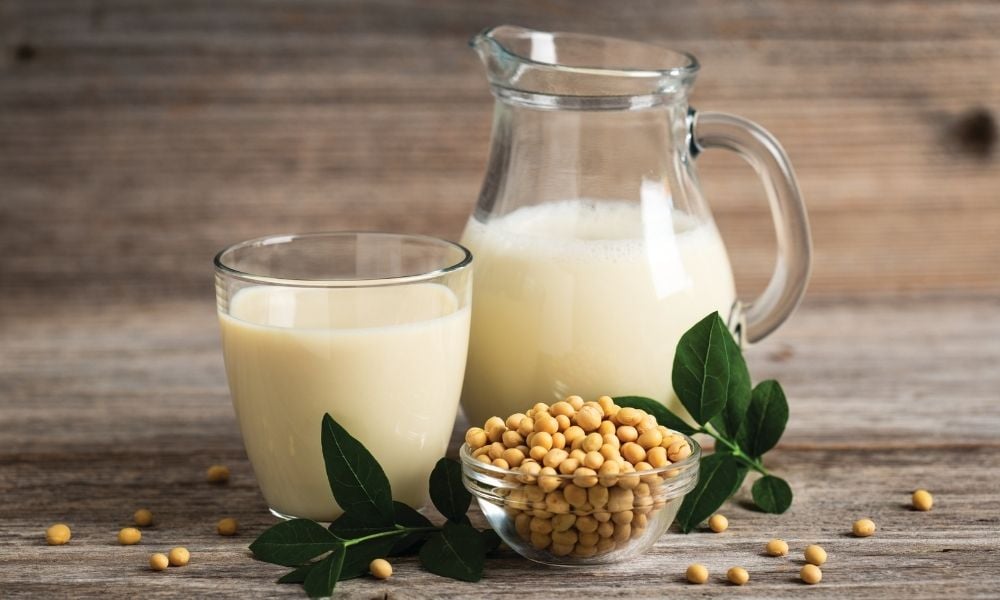
Representative Image (Pilipphoto/Shutterstock)
Between May and June, Senate leaders held a call-in vote that moved the FISCAL Act through committee with unanimous support. Advocates say the measure has strong political momentum, with only minor revisions still under discussion.
“This reform is so obvious because the offerings in the National School Lunch Program are so narrow compared to what’s available in the private marketplace,” said Wayne Pacelle, president of Animal Wellness Action and the Center for a Humane Economy. “Generations of kids have had no choice when it comes to nutritious fluid beverages if they qualify for food assistance in the National School Lunch Program. The FISCAL Act, if its core provisions are enacted, will finally deliver meaningful choice to kids.”
Balancing Choice With Federal Requirements
The FISCAL Act keeps the requirement of the United States Department of Agriculture (USDA) that educational institutions serve low-fat and fat-free cow’s milk, but directs schools to also make plant-based milks available. Supporters say this strikes a balance between complying with USDA guidelines while expanding options for children with lactose intolerance, allergies, or concerns about animal rights and environmental impact.
As they dug into the issue more deeply, proponents for the bill came to understand the massive financial cost milk wastage is causing in the current program: as much as 40% of all cows’ milk served in schools is thrown away — some 177 million gallons a year — making it a massively inefficient use of tax dollars.
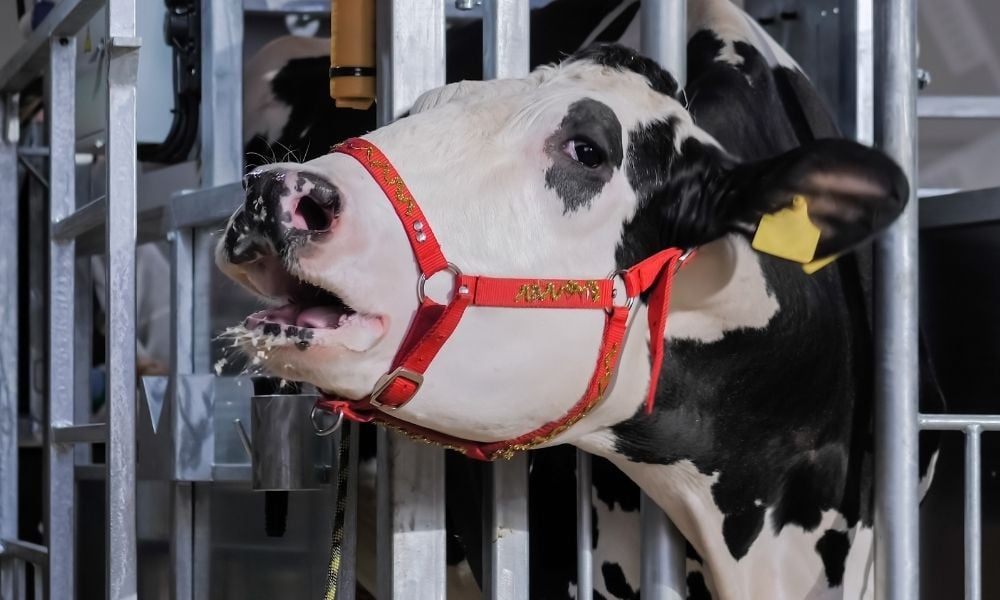
Representative Image (Zyabich family/Shutterstock)
Taking It to the Schools
If the legislation passes, Switch4Good and Animal Wellness Action plan to take the message on a nationwide tour. Plant-based Olympians will visit schools to educate teachers, staff, and families about plant-based nutrition and how cafeterias can procure milk alternatives.
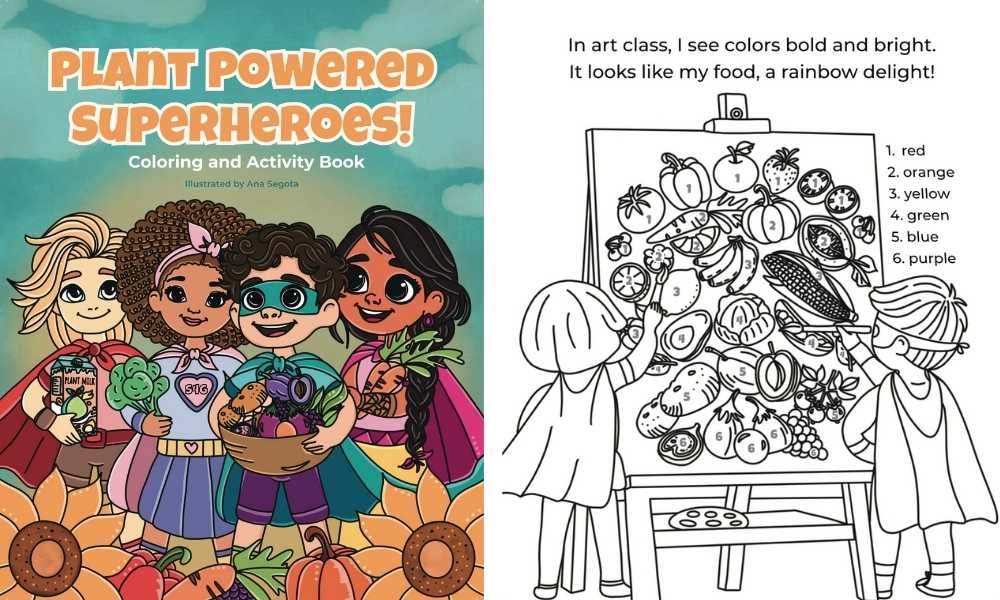
Images from the “Plant Powered Superheroes” coloring book (Courtesy of Switch4Good)
To mark the rollout, Bausch is also publishing a new coloring book featuring children, family tips, and nutrition facts. Copies will be distributed during the tour to inspire both kids and parents to incorporate more plant-based foods into their diets.
“Congress doesn’t do an advertising campaign after passing a bill to alert the American people,” Bausch said. “So we will be ready to take our learning bus on tour to schools across the nation, educating teachers, principals, and parents on their new rights and freedoms, as they taste test plant milks and get inspired by the Olympic athletes who don’t drink cow’s milk to win medals.”
Why It Matters
More than a third of Americans are lactose intolerant, including millions of children who participate in the National School Lunch Program. Advocates note that expanding access to plant-based milk is not only a matter of health, but one of fairness — bringing school cafeterias more in line with the choices already available in the rest of American society.
Pacelle also emphasized the broader significance of the bill, observing that the powerful dairy lobby has long influenced the USDA and that the revolving door between the department and industry leaders exemplifies how children’s health has been subordinated to corporate profits.
“The milk mandate in the National School Lunch Program has been a sales opportunity for the milk industry, and it’s jealously guarded that privilege for 80-plus years,” he said.
While he acknowledged that factory farming interests remain strong in Washington, Pacelle described the FISCAL Act as a breakthrough. “This expansion of options will better reflect what’s happening in the marketplace, where coffee shops, supermarkets, restaurants, and other food retailers offer a wide range of animal- and plant-based milks to consumers,” he said. “Only in the schools and on dairy farms does a milk monopoly exist.”