Research shows that violence toward animals and violence toward people often intersect in homes where abuse and control are already present. While the research does not suggest every person who harms animals will also hurt humans, it does show that animal cruelty is a consistent and powerful warning sign of animal cruelty, meaning intervention can help protect animals and people alike.
What Is “The Link?”
“The link” is a phrase used by experts to describe the overlap between intentional animal cruelty and interpersonal violence, particularly in families and intimate relationships. Studies in psychology, criminology, and social work consistently find that, compared to the general population, deliberate harm to animals is more common among people who commit assaults, domestic violence, or other serious offenses.

Representative Image (panitanphoto/Shutterstock)
Rather than proving that animal abuse directly causes human violence, research shows a strong correlation — cruelty to animals often appears alongside or just before other forms of aggression. That pattern is why many professionals now treat animal abuse as an early red flag for broader risk, not just an isolated “behavior problem.”
What the Research Shows
A meta‑analysis published in the journal Aggression and Violent Behavior found that violent offenders were significantly more likely to report a history of animal cruelty than non‑violent offenders, underscoring that cruelty is disproportionately present in the backgrounds of people who commit violent crimes. At the same time, the analysis showed that animal cruelty also correlates with non‑violent offenses, suggesting it is part of a wider pattern of antisocial behavior rather than a straightforward “stepping stone” to physical violence.

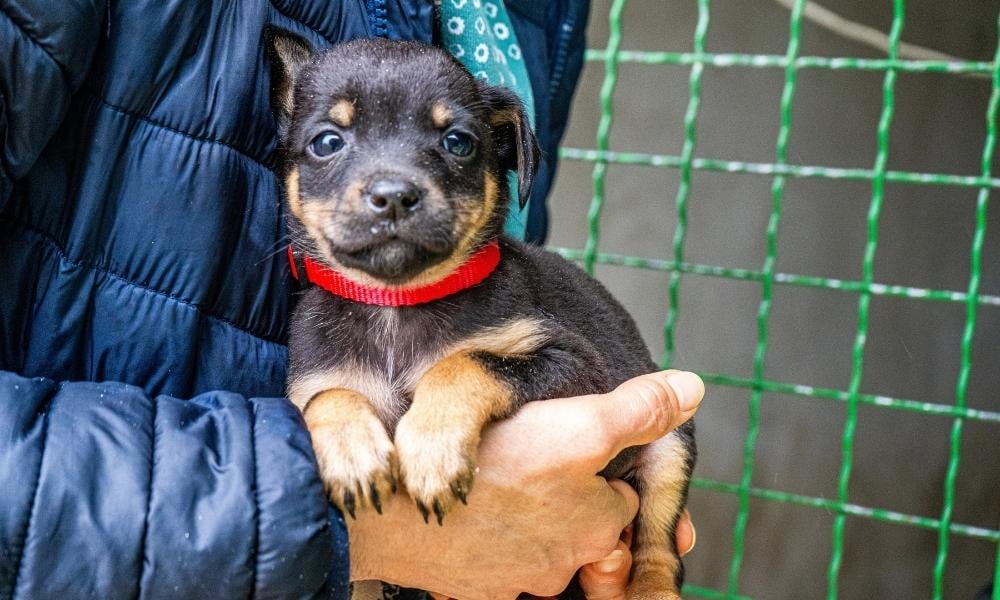
Representative Image (cunaplus/Shutterstock)
Reviews of decades of studies also conclude that animal abuse is best understood as just one marker within a broader constellation of risk factors. These include callousness, poor impulse control, and sensation‑seeking. Researchers who focus on childhood cruelty have found that recurrent, intentional harm to animals — not one isolated incident — is associated with serious, repeated interpersonal violence later in life.
Animals as Tools of Control
In homes affected by intimate partner violence, companion animals are often pulled directly into the abuse. Abusive partners may threaten, injure, or kill animals to terrorize a partner, keep children silent, or send a clear message: “If you leave or tell anyone, I’ll hurt the animals, too.”
Surveys of domestic violence survivors show how deeply this tactic can affect decisions about safety. Across multiple studies, roughly 20% to 65% of victims report delaying leaving a dangerous situation because they could not protect or safely house their animals. In some samples, up to 71% of women entering domestic violence shelters say their abuser has threatened, injured, or killed a companion animal, confirming that these threats are not hypothetical.
Why Cruelty Often Comes First
Animals are uniquely vulnerable: they depend on human caregivers, cannot call for help, and are poorly protected by law. This makes them easy targets for someone trying to test or escalate violent behavior. When adults dismiss cruelty as “just a phase” — especially from children or teens who are deliberately tormenting animals — they miss a critical opportunity to challenge harmful beliefs about power, empathy, and suffering.
Several research teams emphasize that repeated, intentional animal abuse should be treated as a serious behavioral warning sign that warrants assessment and intervention, including mental health support and accountability, before violence increases in scope or severity. Viewing animal cruelty this way shifts the focus from punishment alone to prevention, opening the door to help families and individuals at an earlier, more hopeful stage.
How Systems Can Respond
Recognizing “the link” has already led some communities to change how they respond to abuse. This includes cross‑reporting between animal protection agencies and child welfare or domestic violence services, companion animal‑inclusive shelter programs for survivors, and legal reforms that treat intentional cruelty as a more serious offense with stronger penalties.
Advocates also stress the importance of education that builds empathy toward animals, helps children speak up about cruelty, and trains professionals — from veterinarians to social workers and law enforcement — to recognize animal abuse as a potential warning sign of wider harm. Protecting animals and protecting people are not competing priorities; they are intertwined parts of the same effort to interrupt cycles of cruelty and create safer homes for every vulnerable being.