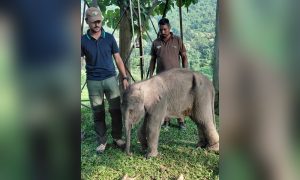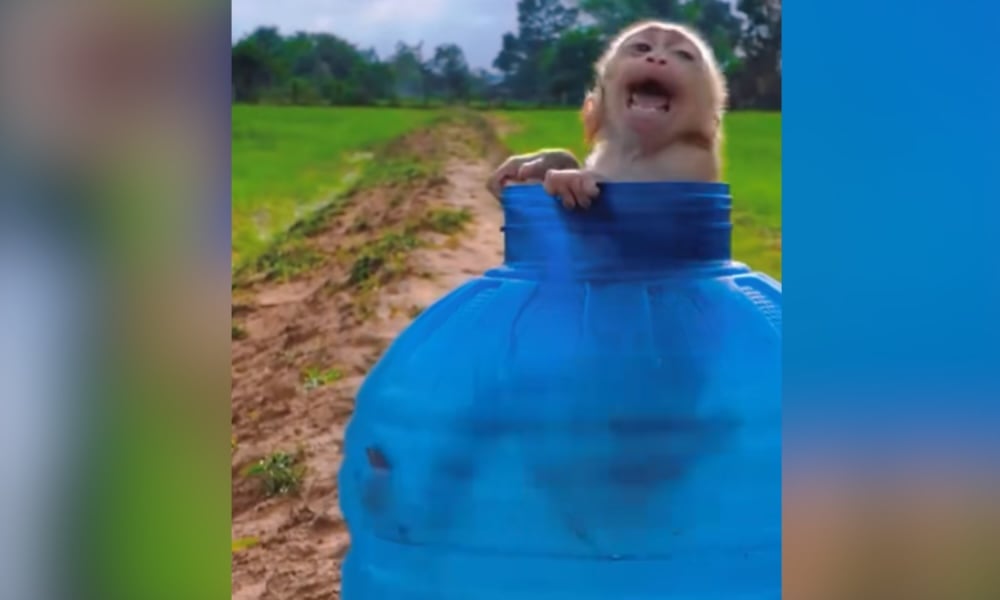
This World Tourism Day, we’re exposing what all too often happens to wild animals behind the scenes at tourist attractions – and the role we can all play in changing it. Around the world, hundreds of thousands of wild animals are kept in wildlife facilities that offer visitors experiences promoted as exciting, educational, or even conservation-focused. But what visitors experience can hide a very different reality for the animals involved. Research estimates that as many as 550,000 wild animals may be suffering in tourist attractions globally, and our latest investigations in Bali show what that suffering can look like.
From tourists and tour operators to wildlife facilities, governments, and the wider tourism industry, everyone has a part to play in ending the exploitation of wild animals for entertainment.
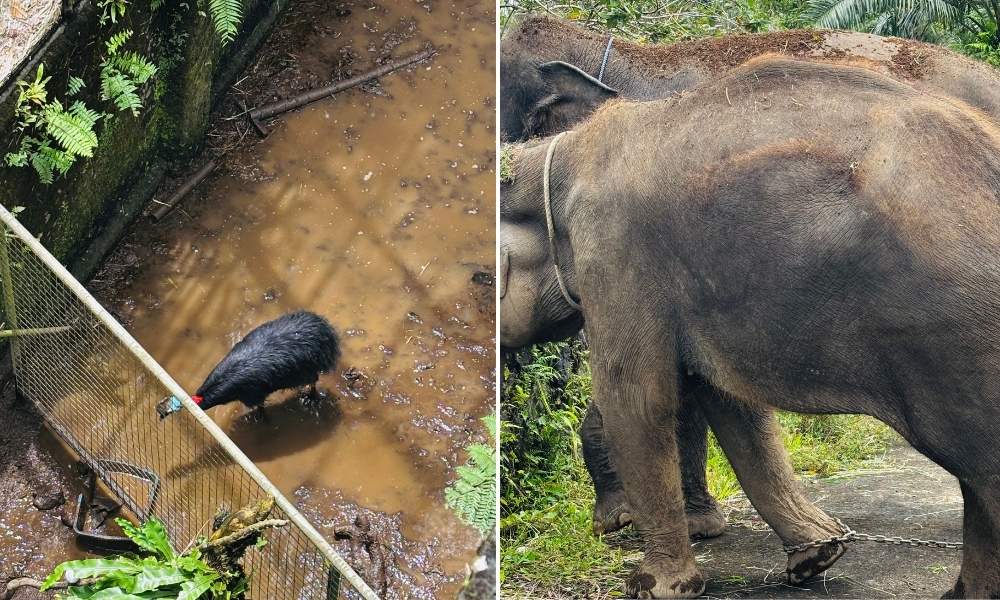
Our latest investigations, carried out with our partners Jakarta Animal Aid Network and Bali Animal Welfare Association as part of the Bali Wildlife Protection Coalition, documented elephants, dolphins, sea turtles, primates, birds, reptiles, bats, and other animals kept in poor and restrictive conditions. Animals were put on display, made to perform, repeatedly handled, or brought out to pose for photos with paying tourists.
Activities such as touching, feeding, bathing, riding, posing for photographs, and watching animals perform are often presented as harmless or even educational. But for the animals involved, they can mean immense stress, with no way to escape. And when they are not on show, their lives are often spent in confinement, with no freedom or choice.
Out of sight, out of mind. But for these animals, this is their life, day after day.
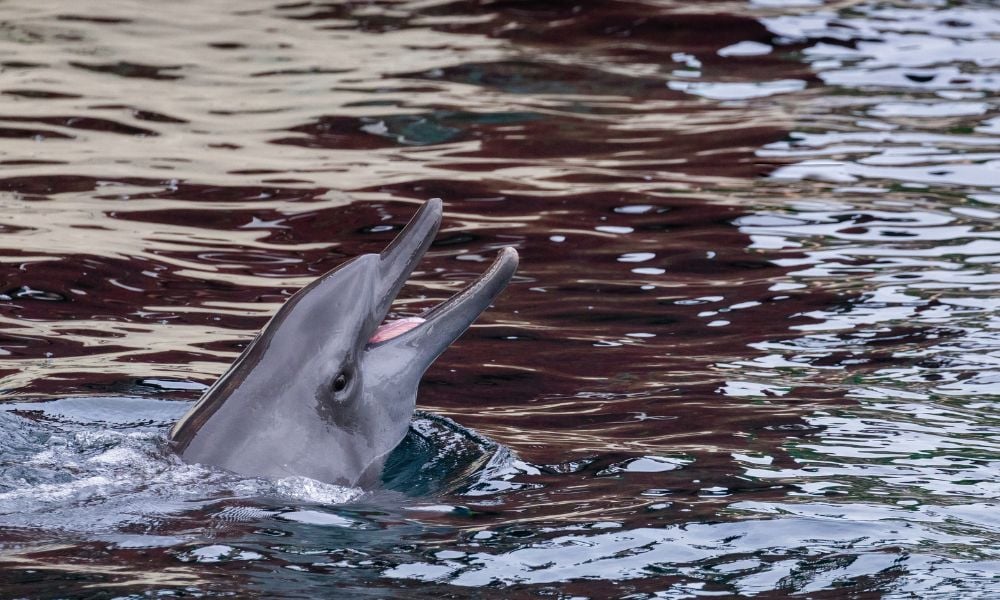
Restricted from moving freely, unable to express natural behaviors, and subjected to repeated handling, our investigators documented clear signs of animal distress. Some animals showed repetitive or abnormal behaviors associated with stress and poor welfare. Captive dolphins were observed repeatedly circling, head bobbing, and tail slapping.
Lady Freethinker
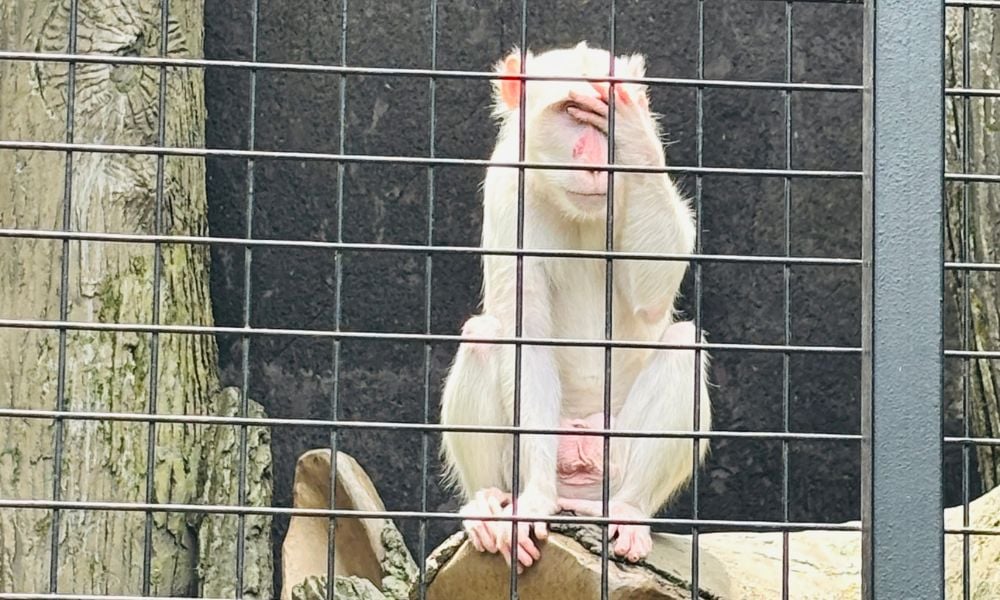
Others had visible injuries. An albino male macaque repeatedly covered his face and showed signs of previous injury, while a hornbill had visible damage to his casque.
Nocturnal animals, including owls and bats, were displayed during daylight hours and repeatedly handled for photographs.
But wild animals are not props, performers, commodities, or entertainment.
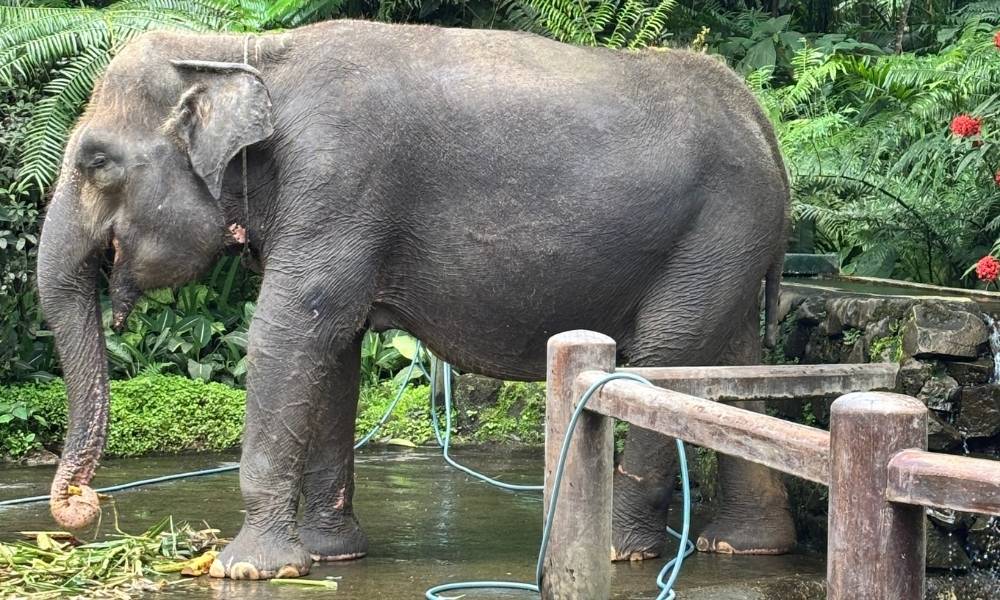
There has been important progress. In December 2025, Indonesia’s Ministry of Forestry issued a nationwide directive ending elephant-riding activities at conservation centers on animal welfare grounds.
Lady Freethinker
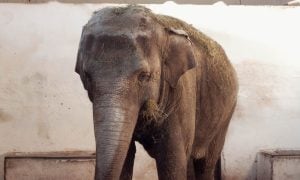
But ending elephant rides alone does not end the problem. Sadly our investigations documented how elephants are still being exploited in other tourist activities, including bathing, painting, photo opportunities, and other close-contact experiences. These activities still require control, training, and long-term confinement.
Calling for Change Across the Tourism Industry
The Bali Wildlife Protection Coalition’s findings and recommendations have been compiled into the Black Book Project, drawing on field investigations conducted in 2017, 2023, and 2026. The project sets out practical recommendations to address the exploitation of captive wildlife in Bali and support a shift towards responsible, observation-based tourism.
Lady Freethinker
We will use these findings to push for stronger protections and better oversight of wildlife facilities, and tourism that puts genuine conservation, education, and animal welfare first.
With your support, LFT and our partners will continue exposing animal suffering and pushing for stronger protections for all animals.