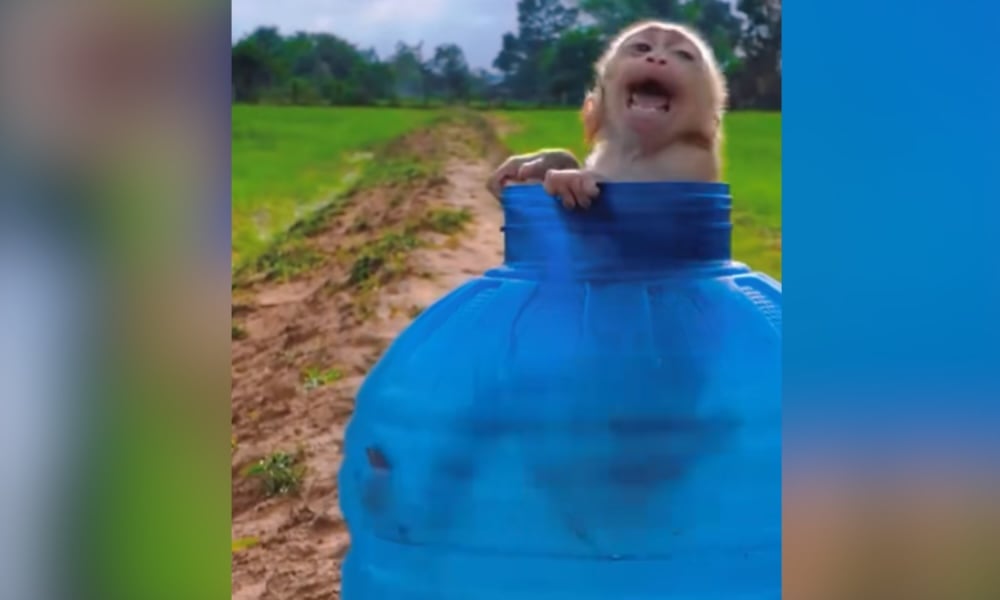
Videos that promote capturing, selling, or eating wild animals need to stop, Cambodia’s Ministry of Environment warned at an Aug. 7 press conference, according to Mongabay. The appeal covers people who make the content and those who share it on social media.
“Promoting love for wildlife does not mean keeping wild animals in cages,” Ministry of Environment spokesperson Khvay Atitya said.
The ministry also urged authorities to take legal action against online wildlife trafficking. It said existing laws cover the sale of wild animals and their parts, even though Cambodia has no separate law specifically regulating online trade.
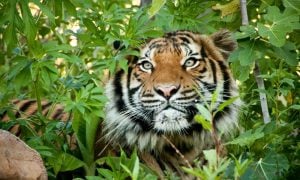
An undercover investigation reported by Mongabay found live tiger cubs offered for sale, along with tiger skins and ivory.
However, removing these listings alone will not necessarily protect the animals. Wildlife trafficking researcher Russell Gray told Mongabay that sellers can simply switch accounts and called for authorities to use online evidence to investigate the people behind the trade.
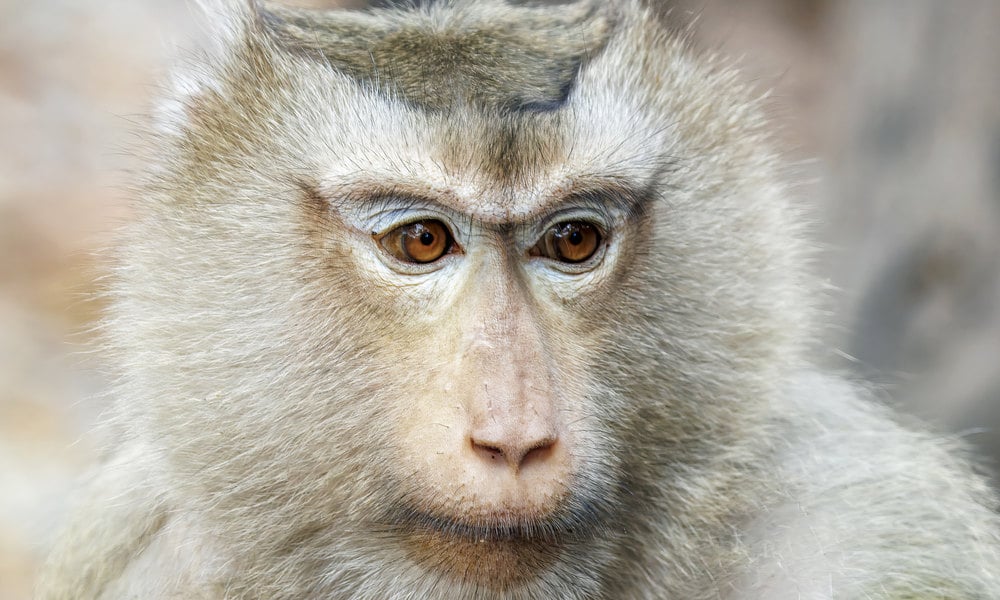
Animals need protection from abuse for online entertainment, too. At Cambodia’s Angkor Wat temple complex, for example, Lady Freethinker, Action for Primates, and Stop Monkey Abuse Asia documented macaques being relentlessly followed, picked up, and forcibly separated from one another for entertainment.
Lady Freethinker applauds the ministry for speaking out against wildlife trafficking and animal cruelty content, and calls for stronger laws and effective enforcement in Cambodia to protect animals from abuse for online views and profit.