Legislation to Ban Animal Crushing: Resource Guide
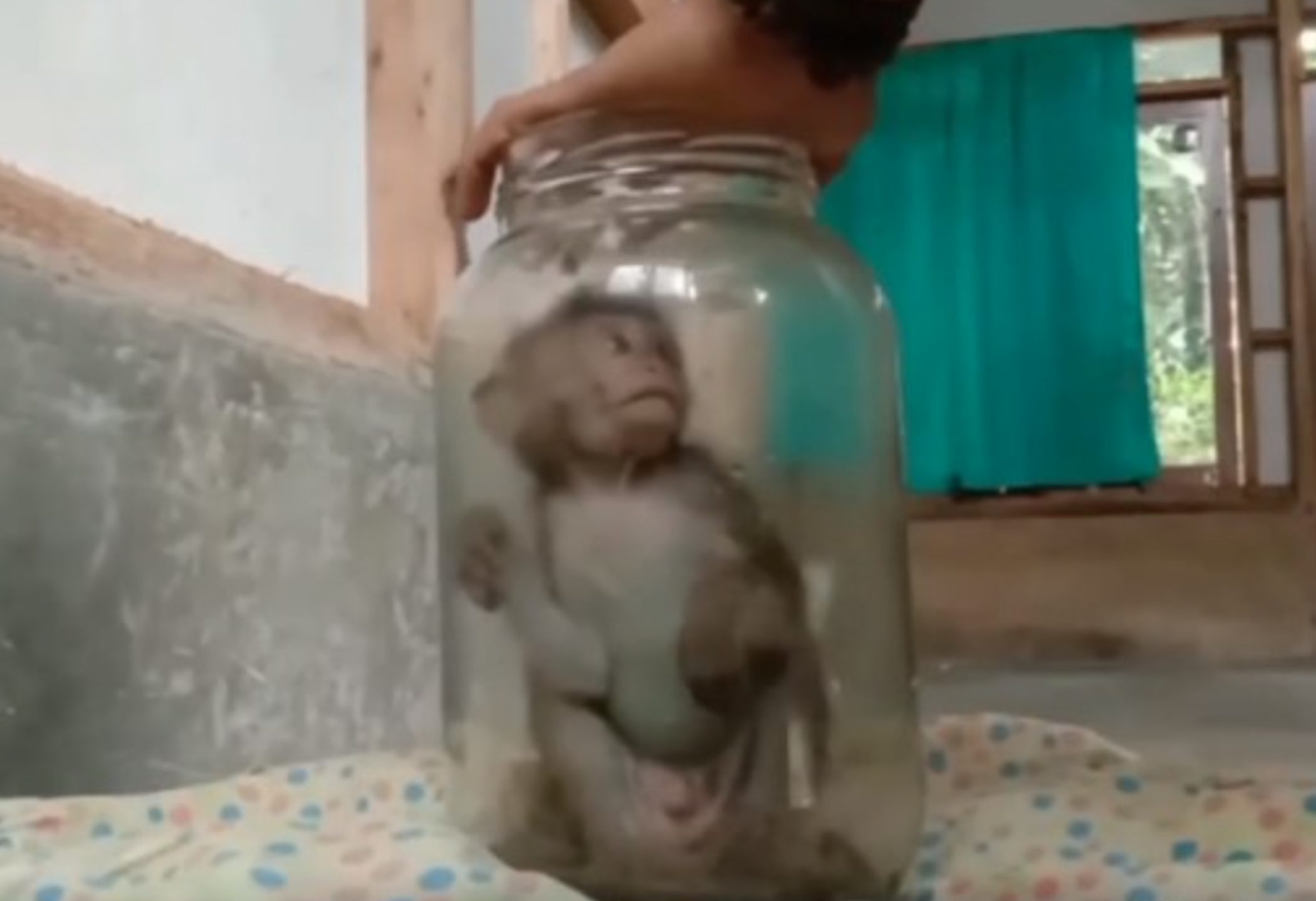
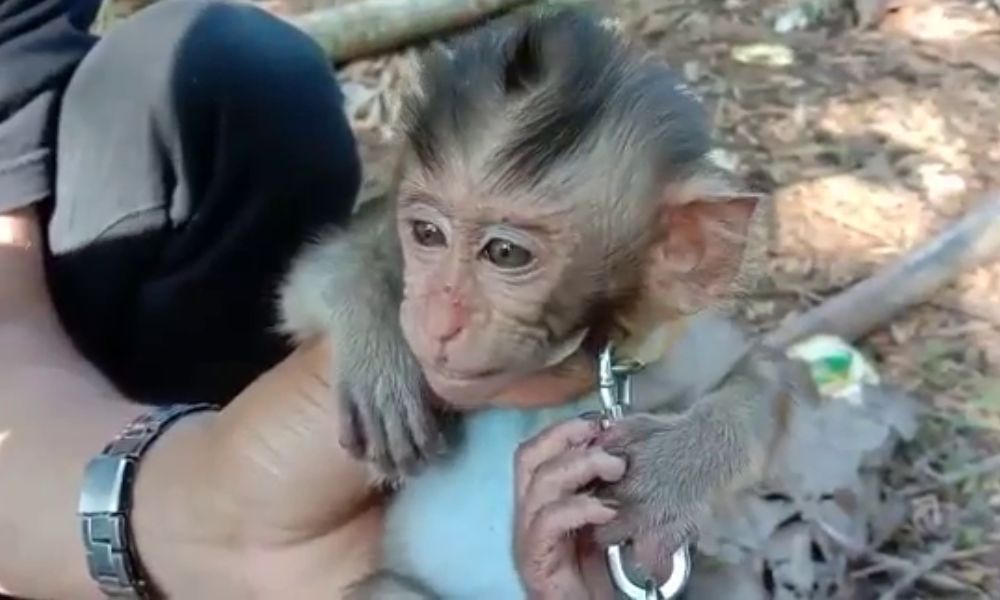
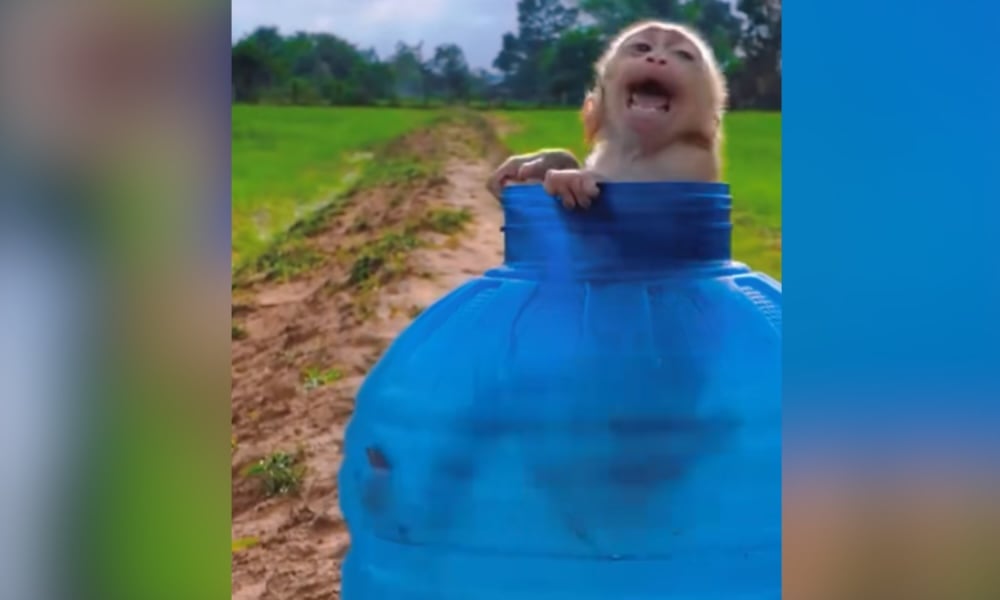
Live animals disemboweled, set on fire, skulls stomped, limbs chopped off, strung up and hung, all recorded and shared on social media and messaging apps for the amusement of depraved individuals on the internet. These videos, referred to as “animal crushing” videos, often originate overseas, but the market for these videos is right here in the United States.
Federal law prohibits animal crushing and visual depictions of animal crushing in certain circumstances. However, flaws in federal law make successful prosecutions difficult and create legal loopholes for animal crushing, allowing instances of extreme animal cruelty to proceed, unabated, with more video evidence uploaded to the internet every single day.
One wayward click can bring this content straight to your child’s phone or computer.
It is time for states to take a stand against extreme animal cruelty and visual depictions thereof. Read on for more on state-level animal crushing bans, what they are, why they are needed, and how to end animal crushing in the United States.
Frequently Asked Questions
What is animal crushing?
- Animal crushing is a term for a particularly brutal subset of filmed animal torture wherein animals are crushed, burned, drowned, suffocated, impaled, or otherwise subjected to extreme animal abuse, including sexual abuse.
- Small mammals, such as hamsters and kittens, were traditionally subjects of animal crushing videos, and still are. However, as the market for brutal animal cruelty videos has grown, so has the breadth of animal species involved.
- The subjects of monkey torture videos, a subset of animal crushing videos, are often long-tailed macaques, a species that is on the IUCN Red List of Threatened Species.
Where is animal crushing happening?
- Animal crushing happens everywhere, with the videos shared online via social media, in private online chat groups, on fringe sexual fetish websites, and elsewhere.
- Monkey and cat torture videos are most often filmed overseas in countries without strong animal cruelty laws, paid for by consumers in the U.S., U.K., Europe, and other regions. The torture itself is frequently carried out by minors, who are paid for their involvement.
If animal crushing is happening primarily overseas, and is federally illegal, why do we need state-level legislation to ban it?
- U.S. consumers pay for these “made to order” animal torture films, often, but not always, for sexual fetishism. Because federal law requires a sexual or “obscene” element to effectively prosecute involvement with animal crush videos, many cases slip through the cracks. State legislation, such as a law passed in Oregon, helps close the loophole created by the federal obscenity definition.
- More broadly, the cruelty exhibited in these videos is extreme. Due to the availability of this content on the internet, the risk of exposure to children is high. Studies show that viewing animal cruelty traumatizes children and can lead to maladaptive behaviors, including increased propensity of violence toward humans and animals. Please see the Resources section for more on this topic.
How big is this problem?
- Animal crushing is a widespread, cultural phenomenon that has grown rapidly on social media.
- The amount of content created is significant, but even more significant is the number of animals used, with a single video sometimes containing up to six animals (often kittens) at a time.
- Because most of these videos end with the killing of the animal, more and more animals are needed to create additional content.
What specifically will state-level animal crushing legislation do?
- Add animal crushing to the state animal cruelty statutes;
- Criminalize visual recording of animal crushing; and
- Criminalize encouraging animal crushing.
Why add animal crushing to state animal cruelty statutes?
- Adding “animal crushing” to the state animal cruelty statutes allows for state and local agencies to investigate and prosecute extreme animal cruelty that may not fall under any other animal cruelty definition in the current statute.
- Bad actors who engage in animal crushing are increasingly creative in the brutal methods they use to torture and kill animals. “Animal crushing” can therefore encompass these ever-evolving methods without necessitating additional legislative changes.
Why criminalize the visual recording of animal crushing?
- Visual recording of animal crushing is a separate offense to the animal crushing itself. By creating a visual recording of animal crushing, an individual can cause harm to others not directly involved in the animal crushing.
- People, especially children, who view animal crushing can become traumatized by it.
- There can also be attempts to replicate what is viewed in these recordings, which can victimize additional animals.
- In the age of social media and the ability of visual recordings to be mass-distributed throughout the world, the potential for harm is unimaginably far-reaching.
- Criminalizing the visual recording of animal crushing deters the making and sharing of these videos, thereby mitigating the harm caused by animal crushing.
Why criminalize encouraging animal crushing?
- Criminalizing the encouragement of animal crushing allows for investigation and prosecution of bad actors who pay others to crush animals or record the crushing of animals.
- Even if someone does not crush an animal, encouraging another person to do so through financial incentives still results in torture of an animal.
- Additionally, sometimes the individuals recruited to crush animals or create a visual recording of the crushing are children in foreign countries, compounding the victimization.
Resources & Reports
Oregon Anti-Crushing Statute
News